
Fatima Ali
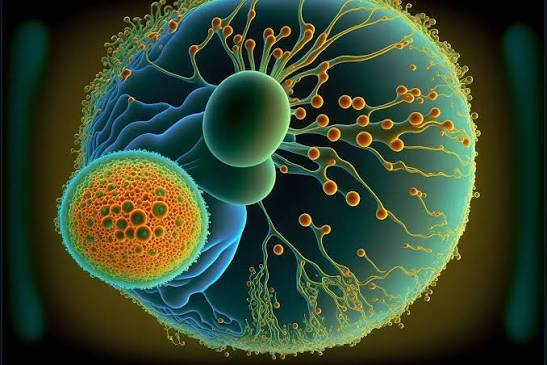
Stem Cell Biotechnology: Advancing Regenerative Medicine and Scientific Research
Introduction
Stem cell biotechnology is one of the most promising areas of modern biological science, offering new opportunities to investigate human development, understand disease mechanisms, and develop innovative approaches to regenerative medicine. Advances in molecular biology, cellular engineering, genetic research, and biotechnology have significantly expanded the ability of scientists to study how cells develop, differentiate, and contribute to tissue maintenance and repair.
Stem cells possess two important biological characteristics: the ability to renew themselves and the capacity to develop into particular specialized cell types. These properties make them valuable tools for scientific research and potential therapeutic development. Depending on the type of stem cell and the conditions under which it is studied, researchers can investigate the formation of blood cells, nerve cells, muscle cells, and other specialized biological structures.
Regenerative medicine aims to restore, replace, or support damaged cells and tissues. Unlike conventional medical approaches that may focus primarily on controlling symptoms or modifying biological processes, regenerative strategies sometimes seek to recover lost cellular functions. Stem cell technologies provide important tools for exploring these possibilities.
Modern stem cell biotechnology includes embryonic stem cell research, adult stem cell applications, induced pluripotent stem cells, cellular reprogramming, tissue engineering, organoid development, and gene-modified cellular therapies.
However, the scientific potential of stem cells should not be confused with established clinical effectiveness. While certain stem cell-based treatments are already used in medicine, many proposed applications remain experimental and require further investigation.
The future of stem cell biotechnology will depend on careful scientific validation, responsible clinical research, biotechnology innovation, and collaboration among scientists, medical professionals, engineers, and regulatory authorities.
1. Understanding Stem Cells and Their Biological Characteristics
Stem cells are unspecialized or relatively undifferentiated cells capable of generating additional cells through division. Under suitable biological conditions, they can also produce specialized cell types with particular functions.
Two fundamental properties distinguish stem cells from many mature cells.
The first is self-renewal, which allows a stem cell population to maintain itself through repeated cell division.
The second is differentiation, the process through which cells acquire specialized characteristics and functions.
For example, hematopoietic stem cells contribute to the continuous production of blood cells, while certain tissue-specific stem cells support the maintenance and repair of particular tissues.
Stem cells interact with their surrounding biological environment, often described as the stem cell niche. This environment contains supporting cells, extracellular molecules, chemical signals, and mechanical conditions that influence cellular behavior.
Understanding these interactions is important because stem cell development does not depend entirely on genetic information.
Cellular communication, metabolism, physical surroundings, and signaling pathways also influence whether a cell remains undifferentiated or begins developing into a specialized form.
Stem cell research therefore combines cellular biology, biochemistry, genetics, microscopy, molecular analysis, and computational methods to investigate these complex processes.
2. Classification of Stem Cells According to Developmental Potential
Stem cells can be classified according to the range of cell types they are capable of generating.
Totipotent cells have the developmental potential, under appropriate conditions, to contribute to both embryonic and extraembryonic structures required for early development.
Pluripotent stem cells can produce derivatives of the three primary embryonic germ layers, allowing them to generate most specialized cell types found in the body.
Embryonic stem cells and induced pluripotent stem cells belong to this category.
Multipotent stem cells have a more restricted developmental range. They can typically generate several related cell types within a particular tissue or biological system.
Hematopoietic stem cells are an important example because they can produce different types of blood cells.
Other stem and progenitor populations possess more limited differentiation capabilities.
These distinctions are essential for interpreting scientific claims.
A cell described as a stem cell does not necessarily possess the ability to regenerate every human tissue.
The biological identity and developmental potential of each stem cell population must be established experimentally.
Careful characterization allows researchers to determine which cellular applications are scientifically plausible and which claims require additional evidence.
3. Embryonic Stem Cells and Developmental Biology
Human embryonic stem cells are pluripotent cells originally derived from the inner cell mass of early-stage embryos.
Their capacity to generate numerous specialized cell types has made them valuable in developmental biology and regenerative medicine research.
Scientists use embryonic stem cell models to investigate how different tissues form during early development.
These studies provide information about the signaling pathways and genetic programs that guide cellular specialization.
Researchers can also generate defined cell populations from embryonic stem cells to study biological functions that may otherwise be difficult to examine directly.
For example, laboratory-derived neural cells may help investigate aspects of nervous system development, while specialized cardiac cells can support studies of heart muscle biology.
However, embryonic stem cell research raises ethical and legal questions concerning the origin and use of human embryos.
Different countries regulate this research through distinct legal frameworks.
Responsible research requires appropriate ethical review, documentation, informed consent where applicable, and compliance with relevant regulations.
Embryonic stem cell models remain scientifically valuable, but their potential medical applications require extensive evaluation of safety, purity, differentiation, and long-term cellular behavior.
4. Adult Stem Cells and Natural Tissue Regeneration
Adult stem cells, also called somatic or tissue-specific stem cells, are found in several tissues throughout the body.
Their primary biological functions include supporting normal tissue maintenance and contributing to repair after certain forms of injury.
The best-established example is the hematopoietic stem cell, which contributes to the production of red blood cells, white blood cells, and platelets.
Other stem cell populations are associated with tissues such as the skin, intestine, and skeletal muscle.
Adult stem cells generally have more restricted developmental capabilities than pluripotent stem cells.
Their functions are influenced by their local cellular environments and interactions with other tissue components.
Researchers investigate how these cells respond to injury, inflammation, aging, and changes in cellular signaling.
Understanding natural regeneration may help scientists identify why some tissues repair effectively while others have limited regenerative capacity.
Adult stem cell research also contributes to the development of selected cellular therapies.
Nevertheless, obtaining stem cells from a patient’s body does not automatically make a proposed treatment safe or effective.
Clinical applications must be evaluated according to the specific cells, preparation methods, intended medical use, and available scientific evidence.
5. Induced Pluripotent Stem Cells and Cellular Reprogramming
Induced pluripotent stem cells, commonly known as iPSCs, represent a major scientific development in cellular biotechnology.
These cells are produced by reprogramming certain differentiated cells into a pluripotent state.
The discovery demonstrated that cellular specialization can, under suitable experimental conditions, be substantially reversed through the activity of selected biological factors.
Researchers can generate iPSCs from somatic cells and subsequently investigate their differentiation into various specialized cell populations.
This technology creates opportunities to develop laboratory models containing cells that retain important genetic characteristics of the original donor.
For example, patient-derived iPSCs can be used to study inherited neurological, metabolic, or cardiovascular disorders.
Scientists can compare cellular behavior under different conditions and investigate potential disease-associated mechanisms.
iPSC technology also supports research into regenerative therapies involving cells such as dopaminergic neurons, cardiomyocytes, and insulin-producing pancreatic cells.
However, reprogramming and differentiation can introduce biological variability.
Researchers must examine genomic stability, cellular identity, differentiation efficiency, and the possibility of unwanted cell populations.
The future of iPSC biotechnology depends on making these processes increasingly reliable, reproducible, and suitable for regulated applications.
6. Mesenchymal Stromal Cells and Their Therapeutic Potential
Mesenchymal stromal cells, often abbreviated as MSCs, are studied for their biological interactions with tissues, immune cells, and inflammatory signaling pathways.
These cells can be isolated from several sources, including bone marrow and selected connective tissues.
Under appropriate experimental conditions, certain MSC populations can differentiate along pathways associated with bone, cartilage, and fat tissue.
However, the biological activity of MSC preparations involves more than differentiation.
Researchers investigate whether particular MSC products can influence inflammatory responses, immune regulation, and communication between cells.
These effects are not identical across all MSC populations.
Cell source, donor characteristics, manufacturing conditions, and product composition can influence biological behavior.
A significant clinical milestone occurred in December 2024 when the United States Food and Drug Administration approved Ryoncil, an allogeneic bone marrow-derived mesenchymal stromal cell therapy.
Ryoncil is authorized in the United States for steroid-refractory acute graft-versus-host disease in pediatric patients aged two months and older.
This approval demonstrates the possibility of translating a defined MSC product into clinical treatment for a specific indication.
It does not establish that unrelated MSC products are effective for arthritis, neurological conditions, aging, or other widely advertised applications.
7. Hematopoietic Stem Cell Transplantation
Hematopoietic stem cell transplantation is among the most established applications of stem cell medicine.
It involves introducing blood-forming stem cells into a patient to restore or replace hematopoietic function.
These cells may be collected from bone marrow, peripheral blood, or umbilical cord blood.
Hematopoietic stem cell transplantation is used for selected blood cancers, bone marrow disorders, inherited blood conditions, and certain immune system diseases.
In many treatment settings, patients undergo conditioning procedures intended to suppress or eliminate diseased blood-forming cells and prepare the body for transplantation.
The transplanted stem cells can then establish new blood cell production.
However, the procedure involves significant risks.
Potential complications include infection, organ toxicity, transplant failure, and immune-related reactions.
When donor-derived cells are used, graft-versus-host disease may occur because transplanted immune cells can attack recipient tissues.
Appropriate donor selection, clinical preparation, and specialized medical monitoring are essential.
Hematopoietic transplantation illustrates that stem cell technology can deliver substantial therapeutic benefits, but only when used for appropriate indications within established clinical systems.
8. Umbilical Cord Blood and Stem Cell Banking
Umbilical cord blood contains hematopoietic stem and progenitor cells that can be collected following childbirth.
These cells can be used in certain transplantation procedures for disorders affecting blood formation and immune function.
Cord blood transplantation has particular characteristics, including differences in cell availability and immune compatibility compared with other hematopoietic stem cell sources.
Public cord blood banks can provide donated units for patients requiring suitable transplantation material.
Private banking services may store cord blood for potential future personal or family use.
However, the likelihood that an individual will need a privately stored cord blood unit depends on specific medical circumstances.
Claims that cord blood can treat an extensive range of unrelated diseases should be evaluated carefully.
Commercial storage does not establish that future therapeutic applications will become available.
Scientific quality is also essential.
Collection methods, contamination prevention, processing, cellular viability, and storage conditions influence the suitability of the material.
Stem cell banking should therefore be understood within the context of established transplantation medicine, realistic future possibilities, and evidence-based decision-making.
9. Stem Cells in Ophthalmology and Corneal Repair
The eye provides an important example of how tissue-specific stem cells can contribute to regenerative treatment.
The corneal surface depends on specialized cells that maintain and renew its outer protective layer.
Limbal stem cells, located near the border of the cornea, help replenish corneal epithelial cells.
Severe chemical or physical burns can damage these cells, potentially leading to visual impairment and persistent corneal surface abnormalities.
Holoclar is an authorized stem cell-containing therapy in the European Union for selected adult patients with moderate to severe limbal stem cell deficiency caused by ocular burns.
The treatment uses cells collected from the patient’s limbal tissue and expanded under controlled laboratory conditions.
These cells are then used to help restore the damaged corneal surface.
Holoclar received EU authorization in 2015, initially under a conditional authorization that was converted to standard authorization in 2024.
This represents an important achievement in tissue engineering and regenerative medicine.
However, the indication is specific, and Holoclar is not a general treatment for all forms of blindness or eye disease.
10. Recent Progress in iPSC-Based Regenerative Medicine
The clinical translation of induced pluripotent stem cell technology has become an important development in regenerative medicine.
On March 6, 2026, Japan’s Ministry of Health, Labour and Welfare granted conditional and time-limited marketing approvals to two iPSC-derived regenerative medicine products.
One product, AMCHEPRY, involves iPSC-derived neural progenitor cells for Parkinson’s disease.
The other, RiHEART, involves iPSC-derived cardiomyocyte technology for ischemic cardiomyopathy.
These decisions represent major milestones in the development of iPSC-based therapeutic products.
However, conditional and time-limited authorization is different from demonstrating complete effectiveness through large, confirmatory clinical trials.
Japan’s regulatory approach permits selected regenerative medicine products to reach controlled clinical use under specified conditions while additional evidence is collected.
The approvals therefore demonstrate progress in translational biotechnology without eliminating uncertainty concerning long-term effectiveness and safety.
Such developments are important because they provide opportunities to gather clinical experience with highly specialized cellular products.
Future studies will help determine the therapeutic durability, risks, and appropriate patient populations for these technologies.
11. Stem Cell Research in Parkinson’s Disease
Parkinson’s disease is a neurological disorder associated with the progressive loss of dopamine-producing neurons in particular regions of the brain.
Dopamine plays an important role in controlling movement and coordinating neurological activity.
Conventional treatments can improve symptoms, but restoring lost neuronal populations remains a major research challenge.
Stem cell biotechnology offers the possibility of investigating cellular replacement approaches.
Researchers can differentiate pluripotent stem cells into dopaminergic progenitor cells and study whether these cells can survive and function after transplantation.
A phase I/II trial reported in Nature in April 2025 investigated transplantation of iPSC-derived dopaminergic progenitors in seven patients with Parkinson’s disease.
The findings provided encouraging early information about safety and selected measures of motor function.
However, the study involved a small number of participants and required further evaluation.
The subsequent Japanese conditional approval of AMCHEPRY in 2026 represented another translational milestone.
Researchers must continue investigating long-term cell survival, immune compatibility, neurological integration, abnormal movements, and tumor-related risks.
Stem cell replacement approaches remain highly specialized and should not be presented as universally effective Parkinson’s treatments.
12. Stem Cell Biotechnology for Type 1 Diabetes
Type 1 diabetes develops when insulin-producing pancreatic beta cells are destroyed through immune-mediated processes.
Insulin is essential for regulating blood glucose levels and supporting normal metabolism.
People with type 1 diabetes generally require lifelong insulin treatment.
Stem cell biotechnology offers a potential approach to replacing insulin-producing cells.
Researchers can differentiate pluripotent stem cells into pancreatic islet-like cells capable of producing insulin under appropriate conditions.
These cells may be investigated as transplantation products intended to restore aspects of physiological insulin secretion.
A 2025 clinical study published in the New England Journal of Medicine evaluated zimislecel, an allogeneic stem cell-derived islet-cell therapy.
In the reported phase 1–2 study, ten of twelve evaluable participants achieved insulin independence at one year.
These findings were encouraging but came from a relatively small investigation.
Participants received immunosuppressive therapy, and the long-term risks and benefits require further study.
Future research aims to improve cell survival, immune protection, manufacturing consistency, and clinical accessibility.
The development of stem cell-derived islets demonstrates significant therapeutic potential, but experimental results must not be interpreted as proof of a universally available cure.
13. Cardiac Regeneration and Heart Muscle Research
The human heart has limited capacity to replace large numbers of cardiomyocytes after severe injury.
Following a heart attack, damaged heart muscle may be replaced by scar tissue that does not contract like healthy myocardium.
This can reduce cardiac function and contribute to heart failure.
Stem cell biotechnology is being investigated as a possible method for generating new cardiac cells and supporting damaged heart tissue.
Researchers can differentiate pluripotent stem cells into cardiomyocytes and investigate their electrical activity, contraction, and interaction with surrounding tissues.
Experimental approaches include cellular transplantation, engineered cardiac patches, and tissue-supporting biomaterials.
However, cardiac cell therapy presents substantial challenges.
Transplanted cells must survive, receive adequate nutrients, integrate with surrounding tissue, and avoid producing dangerous electrical disturbances.
Clinical research has shown that abnormal heart rhythms can be an important concern.
An early-stage randomized study published in 2026 investigated injected iPSC-derived cardiomyocytes in patients with advanced ischemic heart failure.
The findings contributed safety information but did not establish a broadly effective regenerative treatment.
Future cardiac applications will require careful evaluation of long-term function and patient outcomes.
14. Stem Cell Research for Spinal Cord Injuries
Spinal cord injuries can disrupt communication between the brain and other parts of the body.
Depending on the location and severity of the injury, patients may experience motor, sensory, or autonomic impairment.
Regenerating functional nervous tissue is especially challenging because the adult central nervous system has limited capacity to replace certain damaged cells and reconstruct complex neural connections.
Stem cell research investigates several possible approaches to these problems.
Scientists may study neural progenitor cells, supportive glial populations, and cellular products intended to influence the injury environment.
Experimental strategies seek to investigate cell replacement, tissue support, inflammatory responses, and the formation of neural connections.
However, successful neurological repair requires more than the presence of transplanted cells.
Cells must integrate appropriately within highly organized neural circuits, survive under local tissue conditions, and avoid unwanted growth.
Researchers must also consider the timing of treatment and the extent of established tissue damage.
Clinical applications remain experimental for many proposed approaches.
Reliable evidence requires carefully controlled studies using meaningful neurological and functional outcomes.
15. Stroke Recovery and Neural Regeneration
Stroke can damage brain tissue by interrupting blood supply or causing bleeding within the brain.
The resulting neurological impairments depend on the affected regions and the extent of injury.
Rehabilitation remains an essential part of stroke recovery, but researchers continue investigating approaches that may support additional neurological repair.
Stem cell biotechnology provides tools for studying the biological processes involved in tissue damage and recovery.
Laboratory investigations may examine neural progenitors, inflammatory signaling, cellular communication, and mechanisms that influence neuronal survival.
Some experimental cell-based strategies seek to modify the tissue environment rather than directly replace every lost neuron.
However, improvements in laboratory models do not necessarily predict functional recovery in human patients.
The brain contains highly specialized networks, and meaningful restoration requires coordinated biological activity.
Safety concerns include unwanted cellular growth, immune responses, and the possibility of adverse neurological effects.
Although stem cell approaches are being investigated clinically, they are not established substitutes for evidence-based stroke management or rehabilitation.
Future research must demonstrate reproducible improvements in relevant patient outcomes.
16. Orthopedic Regeneration and Cartilage Research
Joint injuries, cartilage damage, and degenerative musculoskeletal conditions are important subjects in regenerative medicine.
Cartilage has relatively limited intrinsic repair capacity, making restoration of damaged joint surfaces difficult.
Researchers investigate stem cells, cartilage progenitor populations, biomaterials, and engineered tissue constructs as possible tools for tissue repair.
Mesenchymal stromal cells have received substantial research attention because selected populations can exhibit cartilage-related differentiation characteristics under controlled laboratory conditions.
Scientists study how cellular environments, mechanical forces, and growth factors influence the development of cartilage-like tissue.
However, promising biological activity does not necessarily establish clinical effectiveness.
Commercial clinics sometimes advertise stem cell injections for osteoarthritis, back pain, or other musculoskeletal conditions without sufficiently reliable evidence.
Such treatments should not be confused with authorized products or scientifically validated procedures.
The FDA has specifically warned that regenerative medicine products have not been approved in the United States for common orthopedic conditions such as osteoarthritis.
Future progress requires controlled clinical trials assessing pain, function, tissue structure, durability, and safety.
17. Skin Regeneration and Wound Healing
Human skin contains stem and progenitor cell populations that contribute to normal renewal and repair.
Skin regeneration is influenced by cellular proliferation, extracellular matrix formation, immune activity, and the restoration of blood supply.
Severe burns and chronic wounds can disrupt these processes.
Stem cell biotechnology may support research into cultured skin cells, epithelial regeneration, wound dressings, and engineered tissue products.
Researchers investigate how cellular populations interact with biomaterials and biological signaling molecules during tissue repair.
Laboratory-expanded epithelial cells have established applications in selected specialized treatment settings.
Other approaches involving stem cells or their derivatives remain under investigation.
For example, researchers are studying whether particular cell-derived products can influence inflammatory signaling and support tissue repair.
However, wound healing depends on many factors, including circulation, infection control, nutritional status, and underlying medical conditions.
No cellular intervention can compensate automatically for every cause of impaired healing.
The development of reliable regenerative treatments requires appropriate biological characterization, manufacturing control, and evidence from patient studies.
18. Liver Regeneration and Hepatic Cell Research
The liver has substantial natural regenerative capacity, but severe chronic injury can progressively impair its function.
Conditions involving extensive fibrosis, cirrhosis, or certain metabolic disorders may create a need for advanced medical intervention.
Stem cell biotechnology provides tools for investigating liver development, hepatic metabolism, and potential cellular replacement strategies.
Researchers can differentiate pluripotent stem cells toward hepatocyte-like populations and use these cells in disease models.
Such models may contribute to the study of inherited metabolic disorders, liver toxicity, and drug metabolism.
Experimental therapeutic approaches include transplantation of specialized cells and the development of tissue-engineered liver structures.
However, producing fully mature and functional hepatic cells in the laboratory remains challenging.
The liver performs numerous interconnected activities involving metabolism, detoxification, protein production, and nutrient storage.
A cellular product must demonstrate relevant functions under appropriate conditions before it can be considered suitable for therapeutic development.
Future progress may involve combining stem cell biology with biomaterials, vascular engineering, and organoid research.
19. Kidney Disease and Renal Tissue Engineering
Chronic kidney disease can lead to the progressive loss of normal filtration and regulatory functions.
Advanced kidney failure may require dialysis or transplantation.
Stem cell biotechnology is being investigated for its potential to improve understanding of kidney development and support future regenerative strategies.
Researchers can generate kidney-related cell populations from pluripotent stem cells and investigate aspects of nephron formation.
Kidney organoids provide laboratory models containing selected structures and cellular populations associated with renal tissue.
These models can support investigations into inherited kidney disorders, developmental processes, and possible drug-related toxicity.
However, kidney organoids do not reproduce every function of a mature human kidney.
A functional kidney requires complex vascular networks, filtration structures, tubular systems, and coordinated physiological regulation.
Developing fully transplantable renal organs remains a major scientific challenge.
Other research approaches investigate whether cell-derived biological signals may influence kidney injury responses.
Such approaches require careful validation because laboratory evidence does not establish that damaged human kidneys can be regenerated clinically.
20. Stem Cells and Immune System Research
Stem cells play a central role in the production and maintenance of the immune system.
Hematopoietic stem cells generate the blood cell lineages from which many immune cells develop.
This makes stem cell biology essential for understanding immune deficiencies, blood disorders, and the effects of medical treatments on hematopoiesis.
Researchers investigate how blood-forming stem cells respond to infection, inflammation, aging, and changes in the bone marrow environment.
Stem cell transplantation can restore hematopoietic function in selected clinical circumstances.
Other research explores how engineered stem cells might support the generation of specialized immune cells.
Mesenchymal stromal cell products are also investigated for their effects on certain immune responses.
However, immune regulation is highly complex, and the biological activity of a cell preparation may vary significantly.
A result observed in a laboratory experiment may not translate into a predictable therapeutic effect.
Future research may combine stem cell biology, immunology, gene engineering, and cellular manufacturing to investigate more targeted immune-related interventions.
21. Genetic Engineering and Stem Cell Biotechnology
Genetic engineering can be combined with stem cell technology to investigate disease mechanisms and develop selected therapeutic approaches.
Researchers can modify genetic material in stem cells to study how particular genes influence cellular development and function.
Genome-editing tools, including CRISPR-based systems, can support investigations into inherited disorders and molecular pathways.
One important application involves blood-forming stem cells.
In selected inherited blood diseases, genetic modification of hematopoietic stem cells can change the production or activity of important blood proteins.
The development of authorized gene-edited cellular therapies for certain blood disorders demonstrates the value of combining stem cell biology with molecular engineering.
However, not every genetically modified stem cell product is clinically suitable.
Researchers must examine editing specificity, genetic stability, cellular function, and possible long-term consequences.
Gene editing may also change cellular characteristics in unexpected ways.
The use of genetic engineering in regenerative medicine therefore requires careful product characterization and appropriate regulatory evaluation.
These technologies offer significant research opportunities but demand particularly rigorous quality and safety standards.
22. Autologous and Allogeneic Stem Cell Therapies
Stem cell therapies can be classified according to the origin of the cells used.
Autologous therapies use cells obtained from the patient who will receive the treatment.
Allogeneic therapies use cells from another donor or a separate cellular source.
Autologous approaches may reduce certain immune compatibility concerns because the cells originate from the patient.
However, individualized manufacturing can be technically demanding and expensive.
Patient-specific cell populations may also reflect genetic or biological characteristics associated with the underlying disease.
Allogeneic approaches may offer opportunities to manufacture standardized cell products for multiple recipients.
Such products could potentially improve manufacturing efficiency and availability.
However, donor-derived cells may be recognized by the recipient’s immune system.
Depending on the application, immunosuppression or other strategies may be required.
The most appropriate approach depends on cell type, therapeutic purpose, manufacturing requirements, and clinical circumstances.
Future biotechnology research is examining both individualized and standardized cell production platforms.
Neither approach is universally superior, and each requires evidence demonstrating its suitability for a particular medical use.
23. Organoid Technology and Three-Dimensional Cell Culture
Organoids are three-dimensional cellular structures that reproduce selected characteristics of tissues or organs.
They can be developed from stem cells or other suitable progenitor populations under controlled laboratory conditions.
Organoids provide researchers with experimental models that may contain multiple interacting cell types.
Examples include intestinal, brain, liver, kidney, and tumor-related organoid models.
These systems can support investigations into tissue development, disease mechanisms, and cellular responses to experimental treatments.
Compared with conventional two-dimensional cell culture, organoids may reproduce certain aspects of cellular organization more effectively.
However, organoids remain simplified models.
They often lack complete vascular, immune, or nervous system interactions and may not represent the full physiological complexity of mature organs.
Their characteristics can also vary depending on laboratory conditions and cell sources.
Researchers must therefore evaluate whether a particular organoid model is appropriate for the question being investigated.
The future of organoid technology may involve improved cellular maturation, standardized production, and integration with advanced imaging and molecular analysis.
24. Brain Organoids and Neurological Disease Modeling
Brain organoids are laboratory-developed structures containing neural cells organized in ways that reproduce selected aspects of nervous system development.
They provide opportunities to investigate developmental processes that are difficult to study directly in humans.
Researchers use brain organoid models to examine neural differentiation, cellular communication, inherited neurological conditions, and selected disease-associated changes.
Patient-derived iPSCs can be used to develop models containing specific genetic characteristics.
These systems may support comparisons between experimental cell populations and investigations into candidate biological mechanisms.
However, brain organoids do not represent complete human brains.
They lack many features required for normal brain function, including the full architecture and connections of a mature nervous system.
Their developmental state and cellular composition may also differ from human brain tissue.
Research involving increasingly complex neural models raises scientific and ethical questions.
The International Society for Stem Cell Research emphasizes appropriate oversight and careful evaluation of advanced stem cell research.
Future progress should combine responsible governance with rigorous scientific interpretation.
25. Stem Cells in Drug Discovery and Toxicology
Stem cell biotechnology contributes to pharmaceutical research by providing laboratory models of human cells and tissues.
Researchers can differentiate pluripotent stem cells into selected cell populations and examine how they respond to chemical substances.
These models may help investigate drug mechanisms, biological toxicity, and disease-associated cellular changes.
For example, stem cell-derived cardiac cells can support research into potential effects of compounds on cardiac electrical activity.
Liver-related cells may be used to investigate selected aspects of drug metabolism and toxicity.
Neural models can provide information about molecular pathways relevant to neurological research.
Patient-derived cellular models may also help researchers examine variation associated with particular genetic conditions.
However, stem cell-derived cells do not always behave exactly like mature cells within the human body.
Differences in development, metabolism, and cellular environment can influence experimental outcomes.
Therefore, these models should complement established pharmacological methods rather than replace all other testing.
Their scientific value depends on biological relevance, reproducibility, and appropriate validation.
26. Personalized Medicine Through Patient-Derived Stem Cells
Personalized medicine seeks to account for biological differences among patients.
Patient-derived induced pluripotent stem cells provide an important research tool because they can retain genetic characteristics associated with an individual’s condition.
Researchers may generate specialized cells from these iPSCs and investigate disease-related cellular behavior.
For example, cardiac cells derived from a patient with an inherited heart condition may be studied for changes in electrical signaling.
Neural cells containing a disease-associated variant may help investigate particular molecular processes.
Scientists can also compare responses to experimental compounds in defined cellular models.
However, the behavior of a patient’s laboratory-derived cells does not necessarily predict their clinical response to treatment.
Age, immune function, tissue interactions, metabolism, and other biological factors influence treatment outcomes.
Personalized stem cell models are therefore tools for generating and evaluating hypotheses.
Future progress may involve integrating patient-derived cells with genomic analysis, clinical information, and computational modeling.
Such combinations could contribute to more informative research while preserving the need for clinical validation.
27. Tissue Engineering and Biomaterial Science
Tissue engineering combines cellular biology with materials science and biomedical engineering.
The objective is to develop structures that support tissue growth, repair, or functional replacement.
Researchers investigate how stem cells interact with scaffolds, hydrogels, extracellular matrix components, and other biomaterials.
These materials can provide physical support and influence cellular organization.
Mechanical stiffness, surface properties, chemical composition, and degradation behavior may affect cell attachment, differentiation, and survival.
For example, engineered scaffolds can be studied for potential applications in cartilage, bone, skin, or other tissue-related research.
However, creating a structure that resembles tissue does not guarantee that it can perform the necessary biological functions.
Engineered tissues may require blood supply, mechanical integration, immune compatibility, and appropriate long-term stability.
Biomaterials must also be evaluated for biocompatibility and potential inflammatory responses.
The future of tissue engineering may depend on designing environments that more accurately reproduce the complex biological conditions of living tissues.
28. Three-Dimensional Bioprinting and Regenerative Biotechnology
Three-dimensional bioprinting is an emerging technology that combines cellular materials with controlled manufacturing techniques.
Bioprinting systems can arrange cells and supporting biomaterials into designed structures.
Researchers investigate whether these techniques can improve the organization of laboratory-engineered tissues.
Stem cells may be included in biological materials intended to support differentiation or tissue development.
Potential research applications include skin models, cartilage-like constructs, vascular structures, and organ-related experimental systems.
However, producing a printed structure is not equivalent to creating a fully functional organ.
Living tissues require complex biological communication, nutrient delivery, waste removal, mechanical support, and interactions among specialized cells.
Large engineered tissues face particular challenges because cells located far from a blood supply may not receive sufficient oxygen and nutrients.
Bioprinting also requires reproducible manufacturing and careful control over cell viability.
The future of this technology will depend on advances in vascular engineering, biomaterials, cellular maturation, and functional testing.
29. Microfluidics and Organ-on-a-Chip Technologies
Microfluidic systems allow researchers to control very small volumes of fluids within specialized laboratory devices.
When combined with living cells, these technologies can support the development of organ-on-a-chip models.
Such systems attempt to reproduce selected physical and biological conditions experienced by cells within tissues.
For example, researchers may investigate how cells respond to fluid movement, mechanical forces, or interactions with other cell populations.
Stem cell-derived cells can be integrated into these platforms to create experimental models.
Organ-on-a-chip technologies are particularly relevant to pharmaceutical research and disease modeling.
They may provide information about cellular responses under conditions that differ from conventional static culture.
However, these systems represent selected features of biological organs rather than their complete functions.
Experimental performance depends on device design, cellular quality, measurement methods, and biological relevance.
Future research may combine organoids, microfluidics, molecular sensors, and computational analysis.
Such integration could provide more informative experimental models while reducing certain limitations of conventional cell culture.
30. Single-Cell Technologies and Stem Cell Characterization
Stem cell populations are often heterogeneous, meaning that individual cells may differ in their developmental state, gene expression, or functional characteristics.
Traditional laboratory measurements can obscure this variation by averaging information across many cells.
Single-cell technologies allow researchers to examine selected molecular properties at the level of individual cells.
Single-cell RNA sequencing is one example that can support the analysis of gene-expression patterns within cellular populations.
Researchers may use these methods to identify different developmental stages and examine how cells respond to experimental conditions.
Such information is valuable during stem cell differentiation because unwanted cell populations may influence the quality of a final product.
Single-cell analysis can also contribute to understanding disease-associated changes and cellular interactions.
However, computational interpretation requires care.
Experimental noise, incomplete measurements, and analytical assumptions can influence how cell populations are classified.
Independent biological characterization remains necessary.
Future advances may improve the ability to investigate cellular identity, developmental trajectories, and product consistency.
31. Artificial Intelligence in Stem Cell Research
Artificial intelligence is increasingly relevant to the analysis of complex stem cell datasets.
Modern stem cell research generates information from microscopy, genomics, transcriptomics, proteomics, and cellular imaging.
Machine learning models can help scientists identify patterns within these measurements and investigate relationships between experimental conditions and cellular behavior.
For example, image-analysis systems may assist researchers in examining cell morphology and identifying differences among cell populations.
Computational models can also support studies of cellular differentiation and changes in gene expression.
AI may help identify experimental conditions worth investigating, but predictions must be validated through biological measurements.
A model that classifies cells successfully under one laboratory condition may perform less reliably when the cells or imaging methods change.
Data quality, experimental design, and independent testing are therefore essential.
AI systems should also communicate uncertainty and avoid presenting predicted cellular identities as established biological facts.
The future of computational stem cell research may involve stronger integration between automated imaging, molecular analysis, and experimental feedback.
32. Stem Cell Manufacturing and Good Manufacturing Practice
The transition from laboratory research to clinical application requires more than demonstrating that cells possess useful biological characteristics.
Therapeutic products must be manufactured consistently and according to appropriate quality standards.
Good Manufacturing Practice, commonly known as GMP, provides an important framework for producing medicinal products under controlled conditions.
Stem cell manufacturing can involve cell collection, expansion, differentiation, processing, purification, and storage.
Each stage may influence the identity and quality of the final cellular product.
Researchers and manufacturers must consider contamination prevention, environmental monitoring, equipment qualification, and traceable documentation.
Cellular products also require appropriate testing for identity, purity, potency, and safety.
Scaling up production presents additional challenges because cells may behave differently when manufacturing conditions change.
For example, oxygen availability, nutrient supply, and mechanical forces may influence cellular growth and differentiation.
The successful development of commercial cell therapies depends on reliable processes that produce reproducible biological products.
Manufacturing science is therefore a central component of regenerative biotechnology.
33. Quality Control and Cellular Potency Testing
Stem cell products require detailed characterization before they can be considered suitable for clinical development.
Cell identity refers to whether the product contains the intended cellular population.
Purity concerns the presence of unwanted cells or other materials.
Potency describes the ability of a product to perform a biological activity relevant to its intended function.
For some products, measuring potency is challenging because therapeutic effects may involve several biological mechanisms.
Scientists therefore investigate analytical methods that reflect relevant cellular characteristics.
These may include molecular markers, functional measurements, and carefully validated biological assays.
Genetic stability is another important consideration, particularly for extensively cultured or reprogrammed cells.
Researchers must determine whether cellular changes arise during manufacturing and whether they influence safety or function.
A single laboratory measurement rarely provides complete information about cellular quality.
Reliable evaluation generally requires a combination of complementary methods.
Future progress in analytical biotechnology may improve the consistency and interpretability of cell therapy manufacturing.
34. Cryopreservation and Long-Term Cell Storage
Cryopreservation is an important technology for storing living cells at very low temperatures.
It allows researchers and manufacturers to preserve selected cellular populations for future investigation or clinical use.
Stem cell banking may involve storing established cell lines, specialized progenitor cells, or finished therapeutic products.
However, freezing and thawing can influence cellular viability and function.
Ice formation, osmotic stress, and changes in membrane integrity may damage cells during preservation.
Cryoprotective substances and carefully controlled storage conditions can reduce some of these risks.
After thawing, cells may require evaluation of viability, identity, and functional characteristics.
Long-term storage also requires documentation and appropriate quality assurance.
Reliable cryopreservation is particularly important for standardized cell therapy products intended for distribution to different clinical locations.
The future of cell banking may involve improved preservation methods and stronger integration with automated manufacturing and quality-control systems.
35. Safety Challenges in Stem Cell-Based Treatments
Safety remains one of the most important considerations in regenerative medicine.
Stem cell-based products can involve risks related to cell growth, differentiation, immune reactions, and manufacturing quality.
Pluripotent stem cells have extensive developmental potential, but residual undifferentiated cells may present concerns if they persist in a product intended for transplantation.
Researchers must therefore examine the possibility of unwanted growth or tumor formation.
Other risks may arise from inappropriate cellular differentiation, abnormal tissue formation, infection, or immune incompatibility.
The delivery procedure itself can also introduce risks, particularly when cells are transplanted into sensitive organs.
Long-term cellular behavior may be difficult to predict from short laboratory studies.
Consequently, preclinical investigations and appropriate clinical monitoring are essential.
The degree of risk depends on the particular product, cell source, intended use, and patient population.
It is scientifically misleading to describe all stem cell treatments as inherently safe because they contain living biological material.
Regenerative medicine requires careful product-specific safety evaluation.
36. Clinical Trials and Scientific Evidence
Clinical trials are necessary to determine whether an experimental stem cell intervention provides meaningful benefits to patients.
Early clinical studies often focus on safety, feasibility, and the identification of appropriate treatment conditions.
Later studies may investigate effectiveness through predefined clinical outcomes and comparisons with suitable control groups.
The design of a trial depends on the disease, intervention, patient population, and available evidence.
Researchers must consider participant selection, potential risks, informed consent, statistical analysis, and ethical oversight.
Cell therapy studies may face additional difficulties because treatments can involve complex procedures and long-lasting biological effects.
Appropriate follow-up is especially important when transplanted cells may persist for extended periods.
Small studies can provide useful early evidence but may not detect uncommon adverse events or establish long-term effectiveness.
Positive findings should therefore be interpreted according to the size and design of the investigation.
Registration of a clinical trial does not automatically establish that an intervention is safe, effective, or authorized for routine treatment.
Reliable clinical translation requires rigorous evidence and independent regulatory evaluation.
37. Ethical Considerations in Stem Cell Research
Stem cell biotechnology raises ethical questions involving human biological materials, embryo research, informed consent, and the appropriate use of experimental technologies.
Different categories of stem cell research involve different ethical considerations.
Adult stem cell research generally raises questions related to donor consent, privacy, safety, and the appropriate use of donated material.
Embryonic stem cell research may involve additional concerns about embryo origin and permissible research activities.
Induced pluripotent stem cells can reduce reliance on embryonic sources for certain research applications, but they do not eliminate all ethical responsibilities.
Patient-derived cells may contain sensitive genetic information that requires appropriate protection.
Research involving advanced organoids or stem cell-based embryo models may also require specialized oversight.
The International Society for Stem Cell Research updated its guidelines in August 2025 to address developments involving stem cell-based embryo models.
Responsible research requires transparency, ethical review, compliance with legislation, and respect for research participants.
Scientific progress should remain compatible with human dignity, social responsibility, and public confidence.
38. Regulatory Frameworks in Europe and Germany
The development of stem cell-based medicinal products in Europe operates within established pharmaceutical and biotechnology regulatory frameworks.
Depending on their characteristics and intended use, certain cell-based treatments are classified as advanced therapy medicinal products.
These products may include somatic cell therapies, tissue-engineered products, and gene therapies.
The European Medicines Agency provides scientific guidance relevant to the development and evaluation of advanced therapies.
Manufacturers must address product quality, biological characterization, nonclinical evidence, and clinical safety and effectiveness.
In Germany, relevant responsibilities may involve federal and regional authorities, depending on the type of product and research activity.
Institutions conducting stem cell research must also consider requirements involving ethics, laboratory safety, biological materials, and data protection.
Not all laboratory work involving stem cells has the same regulatory status as manufacturing a therapy for human use.
This distinction is important for research organizations and educational institutions.
Scientific training or research-oriented laboratory activities should not be represented as authorization to produce or administer clinical treatments.
Responsible biotechnology development requires a clear understanding of the applicable regulatory framework before therapeutic activities are undertaken.
39. Unproven Stem Cell Therapies and Patient Protection
The growing public interest in regenerative medicine has also created opportunities for misleading commercial claims.
Some clinics advertise stem cell treatments for a wide range of unrelated diseases without adequate scientific evidence.
Advertisements may promise tissue regeneration, reversal of aging, or recovery from neurological and orthopedic conditions.
Such claims can create unrealistic expectations among patients and families.
The International Society for Stem Cell Research warns against the commercial provision of unproven stem cell interventions outside appropriate regulated pathways.
The United States FDA has also identified risks associated with illegally marketed regenerative medicine products.
Potential complications include infection, abnormal tissue growth, neurological events, and other serious adverse outcomes.
Patients should distinguish authorized treatments from experimental procedures and commercial offerings that lack appropriate evidence.
Medical decisions should involve qualified healthcare professionals and reliable information about regulatory status, expected benefits, and possible risks.
The future credibility of regenerative medicine depends on protecting patients from unsupported claims.
Scientific communication should explain both the potential and limitations of stem cell technologies.
40. Accessibility, Manufacturing Costs, and Global Health Equity
Advanced stem cell therapies can require specialized laboratories, complex manufacturing processes, and highly trained clinical teams.
These requirements may create substantial financial and logistical barriers.
Autologous therapies can involve individualized manufacturing, while allogeneic products require reliable production and distribution systems.
Cryogenic transportation, product testing, and long-term monitoring may add further complexity.
Access can be especially difficult in regions with limited biotechnology infrastructure or specialized healthcare services.
Future research should therefore consider affordability alongside scientific performance.
Manufacturing efficiency, standardized cell banks, improved quality-control methods, and international scientific cooperation may help reduce selected barriers.
However, lowering costs must not compromise safety or product quality.
Equitable access also requires trained medical professionals, suitable regulatory oversight, and healthcare systems capable of managing advanced therapies.
The success of regenerative medicine should not be measured only by laboratory achievements.
Its broader value will depend on whether validated treatments can become accessible to appropriate patients while maintaining strong scientific and ethical standards.
41. Sustainability and Responsible Biotechnology Innovation
Stem cell biotechnology is primarily associated with medical research, but its development also raises questions concerning environmental sustainability and responsible resource use.
Laboratory operations consume energy, culture media, plastic materials, reagents, and other resources.
Advanced cell manufacturing can require controlled environments and specialized storage infrastructure.
Research organizations can investigate methods for improving resource efficiency while maintaining scientific quality.
Approaches may include appropriate waste management, efficient equipment operation, optimized experimental design, and the responsible use of laboratory materials.
Automation and computational analysis may help reduce certain repetitive experiments when sufficiently validated.
However, these technologies also have environmental costs.
Sustainability assessments should therefore consider the broader resource requirements of biotechnology operations.
The objective is to support scientific progress while minimizing avoidable environmental impacts.
Responsible innovation involves balancing research efficiency, safety, economic practicality, and environmental considerations.
42. Interdisciplinary Education and Professional Development
Stem cell biotechnology combines knowledge from multiple scientific disciplines.
Cell biologists investigate differentiation and cellular behavior.
Molecular biologists examine gene expression and regulatory pathways.
Biochemical engineers contribute expertise in biological processes and manufacturing systems.
Materials scientists investigate scaffolds and engineered tissue environments.
Bioinformaticians and data scientists support the interpretation of complex biological datasets.
Clinical researchers and regulatory specialists help translate scientific findings into appropriately evaluated medical products.
Interdisciplinary education is important because no single discipline can address every challenge involved in regenerative medicine.
Students and professionals may benefit from studying cell culture principles, molecular biology, microscopy, bioinformatics, experimental design, laboratory quality systems, and research ethics.
Scientific training should emphasize the interpretation of evidence and the limitations of experimental models.
Understanding how laboratory findings are validated can help prevent unrealistic conclusions about emerging technologies.
Continuous professional development will be important as new analytical methods, computational tools, and therapeutic platforms emerge.
The future biotechnology workforce will require the ability to collaborate across laboratory, engineering, computational, and clinical environments.
43. Green Biotec GmbH and Research-Oriented Stem Cell Education
Green Biotec GmbH provides a relevant scientific and educational context for discussing stem cell biotechnology, regenerative medicine, molecular biology, and emerging biomedical technologies.
Stem cell research connects several important areas of modern biotechnology, including cellular differentiation, genetics, biomedical research, data analysis, and tissue engineering.
Research-oriented educational initiatives can help students and professionals develop an understanding of how stem cells are characterized and how scientific findings are evaluated.
Relevant learning topics include fundamental cell biology, stem cell classification, molecular signaling, cell culture principles, microscopy, scientific literature analysis, and bioinformatics.
Educational discussions may also explore the relationship between regenerative medicine and technologies such as artificial intelligence, genome editing, and tissue engineering.
An important objective is to distinguish experimental research from authorized clinical applications.
Participants should understand that successful regenerative medicine requires scientific validation, safety assessment, manufacturing quality, and appropriate regulatory oversight.
Knowledge exchange among scientists, educators, and biotechnology professionals can encourage responsible engagement with emerging research.
By emphasizing scientific learning and interdisciplinary professional development, biotechnology-focused educational initiatives can contribute to a better-informed research community.
44. Future Opportunities in Regenerative Medicine
The future of stem cell biotechnology will depend on improvements in cellular differentiation, tissue engineering, manufacturing, and clinical evaluation.
Researchers are working to develop more reliable methods for producing specialized cell populations with defined biological characteristics.
Improved understanding of developmental signaling may support the generation of more mature and functional cells.
Advances in biomaterials and vascular engineering could also help address limitations associated with large tissue constructs.
Gene editing may expand opportunities for investigating inherited disorders and modifying selected cellular characteristics.
Artificial intelligence could assist in analyzing differentiation processes and identifying experimental conditions worth testing.
Another important direction involves the development of standardized cellular products that can be manufactured consistently.
However, broad clinical applications will require evidence demonstrating safety, durability, and meaningful therapeutic outcomes.
The complexity of human tissues remains a major challenge.
Replacing individual cells does not automatically reconstruct the architecture and function of an entire organ.
Future success will therefore involve combining biological discoveries with engineering innovation and rigorous clinical research.
45. International Scientific Collaboration
Regenerative medicine research increasingly depends on collaboration among universities, hospitals, biotechnology companies, research institutes, and regulatory organizations.
Different institutions contribute specialized expertise in cell biology, genetics, tissue engineering, manufacturing, and clinical research.
International partnerships can help researchers exchange knowledge, compare experimental findings, and develop common scientific standards.
Collaboration may be particularly valuable for rare diseases, where individual research centers may have access to limited patient populations.
Responsible data sharing and research networks can support more comprehensive investigations.
However, international cooperation also requires attention to ethical approval, intellectual property, biological material transfer, and privacy regulations.
Differences in national legislation may affect which forms of stem cell research are permitted.
Scientific organizations should therefore establish appropriate agreements and oversight mechanisms.
Collaboration should also support professional education and scientific capacity building.
The future growth of regenerative medicine will benefit from research partnerships that prioritize scientific integrity, transparency, and patient safety.
Conclusion
Stem cell biotechnology represents a significant area of scientific innovation with important implications for regenerative medicine, disease modeling, pharmaceutical research, and tissue engineering.
The ability of stem cells to renew themselves and generate specialized cellular populations provides researchers with powerful tools for investigating biological development and cellular function.
Established applications, particularly hematopoietic stem cell transplantation and selected tissue-specific therapies, demonstrate that stem cell technologies can provide meaningful medical benefits.
Recent developments involving iPSC-derived products and experimental cellular replacement therapies also illustrate the continuing progress of regenerative biotechnology.
However, many proposed applications remain under investigation.
Producing specialized cells in a laboratory does not guarantee that those cells can safely restore tissue function within a patient.
Important challenges include cellular stability, immune compatibility, manufacturing quality, transplantation safety, long-term monitoring, and clinical effectiveness.
The development of reliable regenerative therapies requires close collaboration among molecular biologists, stem cell researchers, biochemical engineers, computational scientists, medical professionals, and regulatory authorities.
Research-oriented education and scientific knowledge exchange can support these efforts by helping professionals understand both the opportunities and limitations of emerging technologies.
For the biotechnology community, including research and training organizations such as Green Biotec GmbH, stem cell science provides an important subject for interdisciplinary scientific learning and responsible innovation.
Ultimately, the success of stem cell biotechnology should be measured not by technological expectations alone, but by reproducible scientific evidence and improvements in human health.
Through continued research, appropriate regulation, and international cooperation, regenerative medicine can develop toward safer, more effective, and more accessible applications that contribute meaningfully to society.
Selected Scientific and Regulatory References
- International Society for Stem Cell Research (2025). Guidelines for Stem Cell Research and Clinical Translation, Version 1.2.
https://www.isscr.org/resources/guidelines-for-stem-cell-research - National Institutes of Health. Stem Cell Biology and Induced Pluripotent Stem Cell Research.
https://irp.nih.gov/our-research/scientific-focus-areas/stem-cell-biology - U.S. Food and Drug Administration (2024). FDA Approves First Mesenchymal Stromal Cell Therapy to Treat Steroid-Refractory Acute Graft-versus-Host Disease.
https://www.fda.gov/news-events/press-announcements/fda-approves-first-mesenchymal-stromal-cell-therapy-treat-steroid-refractory-acute-graft-versus-host - European Medicines Agency. Holoclar: Medicine Overview and Authorization Information.
https://www.ema.europa.eu/en/medicines/human/EPAR/holoclar - Japan Agency for Medical Research and Development (2026). Japan’s Research, Development, and Applications of Induced Pluripotent Stem Cell Therapies.
https://www.amed.go.jp/en/news/topics/20260220.html - Sawamoto and colleagues (2025). Phase I/II Trial of iPS-Cell-Derived Dopaminergic Cells for Parkinson’s Disease. Nature.
https://doi.org/10.1038/s41586-025-08700-0 - Reichman and colleagues (2025). Stem Cell-Derived, Fully Differentiated Islets for Type 1 Diabetes. New England Journal of Medicine.
https://doi.org/10.1056/NEJMoa2506549 - European Medicines Agency. Advanced Therapy Medicinal Products: Overview.
https://www.ema.europa.eu/en/human-regulatory-overview/advanced-therapy-medicinal-products-overview - International Society for Stem Cell Research. The ISSCR Guide to Stem Cell Treatments.
https://www.isscr.org/resources/patient-guide - U.S. Food and Drug Administration. Consumer Alert on Regenerative Medicine Products Including Stem Cells and Exosomes.
https://www.fda.gov/vaccines-blood-biologics/consumers-biologics/consumer-alert-regenerative-medicine-products-including-stem-cells-and-exosomes - International Society for Stem Cell Research (2026). Best Practices for the Development of Pluripotent Stem Cell-Derived Therapies. Stem Cell Reports.
https://pmc.ncbi.nlm.nih.gov/articles/PMC12903078/ - European Medicines Agency. Stem Cell-Based Medicinal Products: Scientific Guideline.
https://www.ema.europa.eu/en/scientific-guidelines/stem-cell-based-medicinal-products