
Fatima Ali
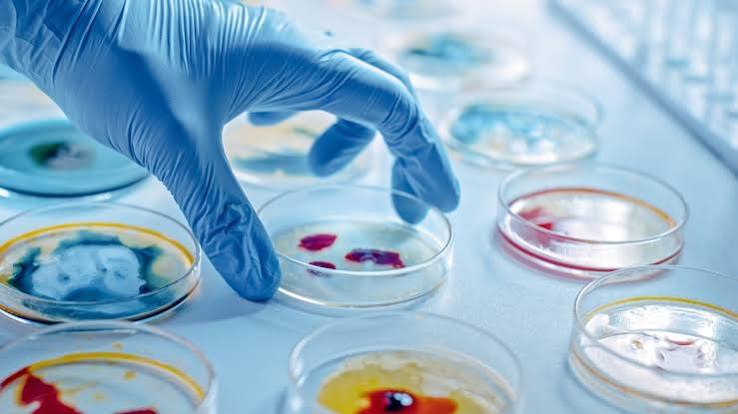
Microbial Biotechnology: Innovative Applications in Healthcare, Agriculture, and the Environment
Introduction
Microbial biotechnology is one of the most important and rapidly developing areas of modern biological science. It involves the study and application of microorganisms, including bacteria, fungi, archaea, microalgae, and certain microbial systems, to develop useful products, improve industrial processes, support healthcare, strengthen agricultural productivity, and address environmental challenges.
Microorganisms exist in nearly every natural environment, including soil, water, air, plants, animals, and the human body. Although many microorganisms are invisible to the naked eye, they perform essential biological functions that sustain life on Earth. They contribute to nutrient cycling, organic matter decomposition, fermentation, food production, and numerous biochemical transformations.
Advances in microbiology, molecular biology, genetic engineering, bioinformatics, and artificial intelligence have significantly expanded the possibilities of microbial biotechnology. Researchers can now examine microbial genomes, investigate complex microbial communities, and develop controlled biological processes with increasing precision.
In healthcare, microbial biotechnology contributes to the production of antibiotics, vaccines, therapeutic proteins, diagnostic technologies, and emerging microbiome-based treatments. In agriculture, beneficial microorganisms support nutrient availability, soil health, plant growth, and biological pest management. Environmental applications include wastewater treatment, bioremediation, organic waste conversion, and renewable energy production.
Industrial biotechnology also relies on microbial systems to manufacture enzymes, organic acids, amino acids, and other commercially valuable substances.
However, the effective application of microorganisms requires a thorough understanding of their biology, interactions, safety, and environmental behavior. Microorganisms that provide benefits under controlled laboratory conditions may respond differently in complex natural environments.
The future of microbial biotechnology will depend on interdisciplinary research, reliable experimental validation, responsible genetic engineering, advanced analytical technologies, and sustainable industrial development.
1. Understanding Microbial Biotechnology
Microbial biotechnology refers to the application of microorganisms, their components, or their biological activities to produce useful substances and develop practical technologies.
Microorganisms possess extraordinary metabolic diversity. Different species can transform chemical compounds, produce enzymes, generate energy, and survive under environmental conditions that would be unsuitable for many other organisms.
Bacteria and yeasts are particularly important in industrial biotechnology because certain strains can grow relatively quickly and can be cultivated under controlled fermentation conditions.
Filamentous fungi are also valuable because they produce numerous enzymes and secondary metabolites with industrial and pharmaceutical applications.
Archaea contribute to important environmental processes, including methane production in oxygen-free environments.
Microalgae are studied for their photosynthetic activity and potential applications in biomass production, nutrient recovery, and bio-based products.
Microbial biotechnology integrates these biological capabilities with engineering and analytical methods.
Its applications range from conventional fermentation to advanced synthetic biology.
The central objective is to understand microbial functions and apply them responsibly to address clearly defined scientific, medical, agricultural, or industrial problems.
2. The Historical Development of Microbial Biotechnology
Humans have used microorganisms for thousands of years, often without understanding their biological nature.
Traditional fermentation processes were employed to produce bread, yogurt, cheese, vinegar, and other foods long before microorganisms could be observed scientifically.
The development of microscopy and modern microbiology transformed this practical knowledge into a scientific discipline.
Research into fermentation, microbial metabolism, and infectious diseases established important foundations for industrial biotechnology and medicine.
The discovery and development of antibiotics demonstrated that microorganisms could produce substances capable of controlling certain infectious diseases.
During the twentieth century, advances in fermentation engineering enabled the large-scale production of microbial products.
Recombinant DNA technology later introduced new possibilities for modifying microorganisms to produce selected proteins.
The development of recombinant human insulin became a major achievement in pharmaceutical biotechnology.
More recently, genome sequencing, metabolic engineering, and computational biology have improved researchers’ ability to investigate microbial systems.
These developments demonstrate how fundamental microbiological discoveries can lead to valuable applications.
Nevertheless, modern microbial biotechnology continues to depend on the principles of experimental microbiology, biochemical analysis, and process engineering.
3. Microbial Diversity and Biological Functions
Microbial diversity is essential for understanding the potential of biotechnology.
Microorganisms differ in their cellular structures, genetic characteristics, nutritional requirements, and metabolic activities.
Some bacteria obtain energy by transforming organic compounds, while others use inorganic chemicals.
Photosynthetic microorganisms can capture light energy and contribute to biological carbon fixation.
Fungi perform important functions in decomposition and nutrient recycling.
Archaea participate in processes such as methane production and may survive in environments characterized by high temperature, salinity, or unusual chemical conditions.
These diverse biological capabilities provide a foundation for biotechnology research.
Scientists investigate microorganisms from agricultural soils, oceans, freshwater systems, industrial environments, and other habitats.
Environmental sampling and molecular analysis can reveal microbial diversity that is not readily detected through conventional cultivation methods.
However, identifying a potentially useful organism does not establish that it can be applied commercially.
Researchers must evaluate its biological characteristics, safety, productivity, and ability to function under controlled operating conditions.
The study of microbial diversity therefore connects fundamental ecology with practical biotechnology development.
4. Microbial Genetics and Genome Sequencing
Microbial genetics investigates how genetic information influences microorganism development, metabolism, adaptation, and biological function.
Modern sequencing technologies allow researchers to examine microbial genomes and identify genes associated with selected characteristics.
These characteristics may include enzyme production, metabolic pathways, resistance mechanisms, or the synthesis of biologically active compounds.
Whole-genome sequencing is especially useful for comparing related microbial strains and examining genetic variation.
Researchers can also investigate regulatory regions and biological pathways that influence microbial activity.
Genetic information provides important clues about potential functions, but the presence of a gene does not prove that it is expressed or produces a measurable biological effect.
Experimental validation remains necessary.
Genome sequencing also supports microbial identification, contamination investigations, and the characterization of industrial production strains.
In healthcare, sequencing contributes to research on infectious diseases and antimicrobial resistance.
In environmental biotechnology, genomic information helps scientists investigate organisms involved in nutrient cycling and pollutant transformation.
The combination of microbial genetics, molecular biology, and computational analysis provides an increasingly powerful foundation for biotechnology research.
5. Metagenomics and Microbial Community Analysis
Many microorganisms live within complex communities rather than as isolated organisms.
Traditional microbiological methods often involve cultivating selected microorganisms under laboratory conditions.
However, numerous environmental microorganisms are difficult to cultivate using standard methods.
Metagenomics allows scientists to investigate genetic material collected directly from environmental or biological samples.
These samples may originate from soil, water, wastewater, agricultural environments, or the human body.
By examining genetic information from multiple organisms, researchers can investigate microbial community composition and potential metabolic capabilities.
Metagenomic analysis is especially valuable for studying the human microbiome and environmental microbial ecosystems.
Researchers may identify genetic pathways involved in nutrient cycling, microbial interactions, or the transformation of chemical substances.
Nevertheless, metagenomic findings require careful interpretation.
Detecting microbial DNA does not necessarily indicate that an organism is alive, metabolically active, or performing a particular function.
Combining metagenomics with transcriptomics, proteomics, metabolomics, and experimental measurements can provide a more comprehensive understanding of microbial activity.
6. Microbial Fermentation and Industrial Production
Fermentation is one of the most established applications of microbial biotechnology.
In industrial biotechnology, fermentation generally refers to the controlled cultivation of microorganisms for biological production, whether the process uses oxygen or operates under oxygen-limited conditions.
Microorganisms can convert suitable raw materials into products such as enzymes, organic acids, amino acids, alcohols, and pharmaceutical substances.
Successful fermentation requires careful control of environmental conditions.
Factors such as temperature, acidity, oxygen availability, nutrient supply, and mixing can influence microbial growth and product formation.
Industrial fermentation systems are designed to maintain suitable conditions while supporting consistent manufacturing.
Researchers investigate how different strains respond to changes in cultivation conditions and how these changes influence product quality.
Bioprocess development also involves balancing productivity with operating costs and resource consumption.
A microorganism that performs well in a small laboratory experiment may behave differently when cultivated at industrial scale.
Therefore, fermentation research must integrate microbiology, biochemical engineering, analytical testing, and process control.
7. Microbial Biotechnology in Pharmaceutical Manufacturing
Microorganisms play an essential role in the manufacture of numerous pharmaceutical products.
Selected bacteria and yeasts can be used as biological production systems for therapeutic proteins and other medically relevant substances.
Recombinant DNA technology allows researchers to introduce appropriate genetic instructions into suitable microbial hosts.
These organisms can then produce selected molecules under controlled manufacturing conditions.
Recombinant human insulin is a well-established example.
Other pharmaceutical applications involve microbial enzymes, biologically active metabolites, and selected components used in vaccine production.
However, producing a desired substance is only one stage of pharmaceutical development.
The product must be recovered, purified, characterized, and evaluated according to applicable quality standards.
Microbial manufacturing systems can introduce impurities that require appropriate control.
Consistency between production batches is also essential.
Good Manufacturing Practice provides an important framework for pharmaceutical manufacturing.
Future improvements in strain development, fermentation efficiency, and purification technology may contribute to more reliable and resource-efficient production of biological medicines.
8. Antibiotics and Microbial Natural Products
Many important antibiotics originate from compounds produced naturally by microorganisms.
Certain bacteria and fungi synthesize secondary metabolites that influence the growth or survival of other organisms.
These substances may provide biological advantages within competitive microbial environments.
Scientists investigate microbial metabolites because some possess antibacterial, antifungal, or other pharmacologically interesting activities.
Historical examples include penicillin and several antibiotics associated with actinomycete bacteria.
Modern research continues to explore microbial diversity for additional bioactive compounds.
Genome sequencing can reveal genetic regions associated with the potential production of specialized metabolites.
However, many predicted biosynthetic pathways are poorly understood or are not active under conventional laboratory conditions.
A compound that demonstrates antimicrobial activity in vitro must undergo extensive investigation before it can be considered a therapeutic candidate.
Important questions include selectivity, toxicity, pharmacokinetics, resistance development, and clinical effectiveness.
Microbial natural-product research remains valuable because microorganisms possess extensive chemical diversity that may contribute to future pharmaceutical discoveries.
9. Addressing Antimicrobial Resistance
Antimicrobial resistance is a serious global public-health challenge.
It occurs when microorganisms develop or acquire mechanisms that reduce their susceptibility to medicines designed to control them.
The World Health Organization reported in July 2026 that approximately one in six laboratory-confirmed bacterial infections worldwide was resistant to antibiotics in 2023.
Antimicrobial resistance can complicate treatment and increase the risk of serious illness.
Microbial biotechnology contributes to addressing this problem through research on resistance mechanisms, molecular diagnostics, new antimicrobial substances, and alternative therapeutic approaches.
Genome sequencing can help researchers identify genetic characteristics associated with resistance.
Computational analysis may also support investigations into the spread and evolution of resistant organisms.
However, identifying resistance-associated genes does not always establish the level of resistance expressed under clinical conditions.
Phenotypic testing and appropriate clinical interpretation remain important.
The development of new antibiotics is also only one component of the response.
Responsible antimicrobial use, infection prevention, surveillance, vaccination, and improved sanitation are essential for controlling resistance.
10. Bacteriophage Research and Experimental Therapies
Bacteriophages are viruses that infect bacteria.
Different phages recognize particular bacterial hosts, making them scientifically interesting for targeted antimicrobial applications.
Some phages can destroy susceptible bacterial cells during their replication cycles.
Researchers investigate whether selected bacteriophages could contribute to the treatment of infections caused by antibiotic-resistant bacteria.
Phage therapy has a long research history and has received renewed attention because of antimicrobial resistance.
Potential research applications include combinations of phages, interactions with antibiotics, and approaches tailored to particular bacterial strains.
However, bacterial susceptibility to a phage can vary.
Bacteria may also develop resistance to phages, and the body’s immune system may influence therapeutic performance.
Manufacturing quality and the characterization of phage preparations are essential.
The World Health Organization emphasized in 2025 that further robust clinical evidence is needed before phage treatments can become widely available for routine human use.
Phage biotechnology therefore represents a promising but highly specialized field requiring rigorous scientific and clinical evaluation.
11. The Human Microbiome and Human Health
The human microbiome includes microorganisms and their associated genetic information within different body environments.
Microbial communities are found in the gastrointestinal tract, skin, mouth, and other anatomical locations.
These communities interact with the host through metabolic, immune, and physiological processes.
The intestinal microbiome is particularly important in research because it contributes to the metabolism of dietary substances and interacts with the immune system.
Changes in microbial community composition have been associated with several health conditions.
However, an association between microbial characteristics and disease does not automatically establish a causal relationship.
Microbiome composition varies among individuals and can be influenced by diet, medication, age, geography, and other factors.
Researchers use sequencing, microbial cultivation, metabolomics, and computational modeling to investigate these complex relationships.
The objective is to understand which microbial functions may contribute to health and whether selected interventions can produce clinically meaningful benefits.
Microbiome research offers important possibilities, but medical applications must be evaluated independently for each indication.
12. Microbiome-Based Therapeutic Products
Microbiome-based medicines represent an emerging area of pharmaceutical biotechnology.
These products may involve defined microorganisms, complex microbial communities, or other biologically derived components intended to influence microbial ecosystems.
An important established application concerns recurrent Clostridioides difficile infection.
This condition may develop when disruption of the intestinal microbial environment allows the pathogen to proliferate.
In November 2022, the United States Food and Drug Administration approved Rebyota, a fecal microbiota-based product intended to prevent recurrence in eligible adults following antibiotic treatment.
In April 2023, the FDA approved Vowst, an orally administered fecal microbiota spore product for prevention of recurrence in eligible adults.
These approvals demonstrate how microbial biotechnology can contribute to regulated medical treatments.
However, the products have specific indications and do not establish the effectiveness of microbiome interventions for unrelated disorders.
Manufacturing and safety assessment are particularly important because products containing microorganisms or complex microbial materials may pose infection-related risks.
In 2026, the European Medicines Agency also initiated work toward further guidance concerning the nonclinical evaluation of microbiome-based medicinal products.
13. Probiotics, Prebiotics, and Microbial Health Research
Probiotics are live microorganisms that may provide health benefits when administered in appropriate amounts.
Commonly investigated microorganisms include selected strains of lactic acid bacteria and bifidobacteria.
Probiotics are used in certain foods, dietary supplements, and research products.
Prebiotics are substances selectively utilized by host microorganisms that confer a health benefit.
Researchers investigate how these approaches influence microbial activity and selected health outcomes.
However, not all probiotic products have equivalent biological effects.
Benefits may depend on the specific strain, formulation, dose, and medical condition.
The available scientific evidence is stronger for some applications than others.
The United States National Institutes of Health notes that strong evidence supporting probiotic use for many proposed conditions remains limited.
Safety is also important.
Certain vulnerable patients, particularly premature infants and severely immunocompromised individuals, may face serious risks from live microbial products.
Probiotics should not be presented as universal treatments or replacements for established medical care.
14. Microbial Biotechnology in Vaccine Research
Microbial biotechnology contributes to vaccine research and manufacturing through several different approaches.
Microorganisms may be used as production systems for selected antigens or other biological components.
Recombinant technologies allow appropriate microbial hosts to produce proteins that can be purified and investigated for vaccine applications.
Microbial fermentation can also support manufacturing processes involving specialized biological materials.
Beyond production, microbiological research helps scientists understand pathogen biology and immune recognition.
Researchers investigate microbial surface structures, antigens, and molecular mechanisms involved in infection.
These findings may contribute to the development of vaccine candidates.
However, the production of an antigen does not establish that a vaccine will be protective.
Vaccine development requires assessment of immune responses, safety, effectiveness, formulation, and manufacturing consistency.
Clinical trials remain essential before a new vaccine can be authorized for routine use.
Microbial biotechnology therefore supports vaccine innovation while operating within established scientific and regulatory requirements.
15. Microbial Enzymes in Healthcare and Biotechnology
Microorganisms produce a wide range of enzymes that catalyze biochemical reactions.
These enzymes may function under different environmental conditions and possess characteristics valuable for scientific or industrial use.
Microbial enzymes are employed in molecular biology, diagnostics, pharmaceutical production, and numerous industrial processes.
For example, enzymes involved in DNA synthesis and modification are essential tools in molecular biology laboratories.
Other microbial enzymes participate in the production or modification of pharmaceutical substances.
Researchers investigate enzyme structure, catalytic activity, substrate specificity, and stability to determine potential applications.
Genetic engineering and protein engineering can contribute to the development of enzymes with modified characteristics.
However, improving one enzyme property may influence others.
An enzyme with increased activity may have reduced stability under particular conditions.
Scientific evaluation therefore involves biochemical characterization and performance testing.
Microbial enzyme biotechnology illustrates how fundamental research into microorganisms can produce tools that support many other areas of modern science.
16. Microbial Diagnostics and Biosensor Technologies
Microbial biotechnology supports the development of diagnostic tools and biological sensors.
Microbial components, enzymes, and molecular recognition systems can be incorporated into analytical technologies designed to detect selected substances.
Researchers investigate biosensors for applications in healthcare, food quality, environmental monitoring, and industrial process control.
For example, enzyme-based systems can produce measurable signals when interacting with specific chemical substrates.
Molecular biology techniques also support the identification of microorganisms associated with infectious diseases.
Polymerase chain reaction, sequencing, and other methods help laboratories investigate microbial genetic material.
However, detecting microbial DNA does not always establish that an organism is viable or responsible for disease.
Clinical interpretation requires consideration of symptoms, sample quality, and relevant medical information.
Diagnostic technologies must also be evaluated for analytical sensitivity, specificity, reproducibility, and intended use.
The future of microbial diagnostics may involve closer integration between molecular detection, automated analysis, and portable sensing platforms.
17. Food Fermentation and Microbial Biotechnology
Food fermentation is among the oldest applications of microorganisms.
Bacteria, yeasts, and certain fungi contribute to the transformation of raw food materials into products with different flavors, textures, and preservation characteristics.
Examples include yogurt, cheese, fermented vegetables, bread, vinegar, and traditional fermented foods.
During fermentation, microorganisms metabolize available nutrients and produce compounds such as organic acids, gases, and aromatic substances.
These biochemical changes can influence food characteristics and, in some cases, help inhibit certain unwanted microorganisms.
Modern food biotechnology involves the selection and characterization of microbial cultures to improve manufacturing consistency.
Researchers investigate fermentation conditions, microbial interactions, food safety, and product quality.
However, fermented foods are not automatically probiotic, and fermentation does not guarantee that a product is free from harmful microorganisms.
Safe production requires appropriate raw materials, hygienic conditions, and validated processes.
The future of food fermentation may involve improved starter cultures, better process monitoring, and the development of products that respond to changing consumer and nutritional needs.
18. Precision Fermentation and Alternative Food Ingredients
Precision fermentation involves using selected microorganisms to produce defined biological substances.
In some applications, microorganisms are genetically engineered to manufacture specific proteins or other molecules.
This approach differs from conventional food fermentation, in which microbial growth modifies the characteristics of a food product.
Precision fermentation may be used to investigate the production of particular food ingredients, enzymes, and specialized compounds.
Potential applications include alternative protein ingredients and molecules with functional properties relevant to food manufacturing.
However, production efficiency depends on strain characteristics, raw materials, fermentation conditions, and downstream processing.
A biologically successful product may still face challenges involving manufacturing costs, product quality, and market accessibility.
Food safety and regulatory approval requirements also vary according to the product and jurisdiction.
The environmental effects of precision fermentation must be assessed across the complete manufacturing process.
Its future contribution to sustainable food systems will depend on reliable scientific evidence, suitable regulation, and realistic economic and environmental evaluation.
19. Microbial Biotechnology in Sustainable Agriculture
Agricultural systems depend on complex biological interactions involving plants, soil organisms, water, and environmental conditions.
Microorganisms contribute to several essential soil processes, including organic matter decomposition, nutrient transformation, and interactions with plant roots.
Agricultural biotechnology investigates how these biological functions can support crop production and sustainable resource management.
Beneficial microorganisms may influence plant nutrient availability, root development, and responses to environmental stress.
Researchers also investigate microbes capable of suppressing certain plant pathogens.
However, microbial performance can vary substantially across soils, crops, and climatic conditions.
A strain that demonstrates beneficial characteristics under laboratory conditions may produce inconsistent results in agricultural fields.
Successful application requires appropriate product formulation, microbial viability, crop compatibility, and field evaluation.
Microbial biotechnology should therefore complement sustainable farming methods such as crop rotation, responsible irrigation, soil conservation, and integrated pest management.
Its greatest contribution may come from improving understanding of agricultural ecosystems and developing biologically informed management strategies.
20. Biofertilizers and Biological Nitrogen Fixation
Biofertilizers contain microorganisms intended to support nutrient availability or other nutrient-related processes affecting plants.
One important area involves biological nitrogen fixation.
Certain bacteria and archaea possess the capacity to convert atmospheric nitrogen into biologically usable forms.
In agricultural systems, symbiotic nitrogen-fixing bacteria associated with legumes are particularly important.
These microorganisms can contribute to plant nitrogen acquisition through specialized biological relationships.
Other microorganisms are investigated for their ability to influence soil nutrient availability.
Biofertilizers may help improve nutrient management under suitable agricultural conditions.
However, they do not necessarily eliminate the need for mineral or organic fertilizers.
The amount of nutrient contribution depends on the microorganism, crop species, soil characteristics, and environmental conditions.
Researchers must also assess product quality and whether introduced strains can survive and function after field application.
Appropriate soil testing and nutrient budgeting remain essential.
Biofertilizer technology is most useful when integrated with evidence-based agricultural management rather than presented as a universal replacement for conventional inputs.
21. Phosphate-Solubilizing Microorganisms
Phosphorus is an essential nutrient involved in plant energy metabolism, genetic material, and numerous cellular processes.
Although soils may contain substantial phosphorus, not all of it is immediately available to plants.
Certain microorganisms can influence phosphorus availability through biological and chemical processes.
Phosphate-solubilizing bacteria and fungi may release organic acids or other substances that affect the transformation of phosphorus-containing compounds.
Researchers investigate whether these activities can support plant nutrient acquisition.
However, laboratory measurements of phosphate solubilization do not necessarily predict agricultural performance.
Soil acidity, mineral composition, moisture, and microbial interactions can influence phosphorus behavior.
A microbial strain may perform well in a laboratory medium but show limited activity in field conditions.
Agricultural trials are therefore necessary to determine whether inoculation produces meaningful improvements in nutrient uptake or crop performance.
Microbial phosphorus research may contribute to more efficient nutrient management, but its practical value depends on the characteristics of individual agricultural systems.
22. Plant Growth-Promoting Microorganisms
Plant growth-promoting microorganisms are studied because selected strains can influence plant development through several biological mechanisms.
Some microorganisms produce compounds that affect plant signaling pathways.
Others may influence nutrient availability, root-associated processes, or interactions with plant pathogens.
Researchers investigate these activities to understand how beneficial microbes contribute to agricultural performance.
Microbial interactions with plant roots are particularly important because the rhizosphere contains nutrients and chemical signals released by plants.
These substances can influence microbial community composition and activity.
In return, microorganisms may affect plant development and environmental responses.
However, microbial associations are not automatically beneficial.
The outcome depends on the organism, host plant, soil environment, and interactions with other microorganisms.
Careful scientific evaluation is necessary before a strain can be recommended for agricultural use.
Future research may focus on selecting microbial communities that perform reliably under specific environmental conditions rather than relying on universal formulations.
23. Mycorrhizal Fungi and Plant-Microbe Symbiosis
Mycorrhizal fungi form associations with the roots of many plant species.
These relationships can influence nutrient acquisition, particularly phosphorus uptake, and may affect plant responses to environmental conditions.
Fungal structures can extend into soil regions beyond the immediate root surface, increasing opportunities for interaction with soil nutrients.
In exchange, associated plants provide carbon compounds derived from photosynthesis.
Mycorrhizal relationships are important components of numerous natural and agricultural ecosystems.
Researchers investigate how fungal diversity, soil management, and plant characteristics influence these associations.
However, not all plants form the same types of mycorrhizal relationships.
The benefits of inoculation also vary depending on existing soil fungal communities and nutrient availability.
Some agricultural systems already contain suitable mycorrhizal populations.
Introducing additional fungi may therefore provide little benefit under certain conditions.
Understanding native microbial communities is essential for interpreting potential applications.
Mycorrhizal biotechnology offers opportunities for sustainable agriculture, but its use should be guided by field evidence and ecological knowledge.
24. Biological Pest Control and Microbial Biopesticides
Microorganisms can contribute to agricultural pest management by affecting certain insects, fungi, and other organisms associated with crop damage.
Microbial biopesticides may contain selected bacteria, fungi, or other biological agents.
One well-established example involves particular strains of Bacillus thuringiensis, which produce proteins with activity against certain susceptible insects.
Other microorganisms are investigated for their ability to interfere with specific plant pathogens.
Biological pest management can be incorporated into integrated pest management programs.
These programs combine crop monitoring, preventive agricultural practices, biological controls, and appropriate chemical interventions when necessary.
However, microbial products are not automatically harmless or effective against every pest.
Their performance depends on environmental conditions, target-organism susceptibility, application methods, and product quality.
Potential effects on non-target organisms must also be considered.
Resistance development is another important concern.
Responsible microbial pest control therefore requires appropriate registration, scientific assessment, and practical guidance.
The objective is to support effective crop protection while reducing unnecessary environmental impacts.
25. Microbial Contributions to Plant Stress Tolerance
Agricultural crops are increasingly exposed to environmental stresses such as drought, temperature extremes, salinity, and nutrient limitations.
These conditions can influence plant growth, metabolism, and productivity.
Researchers investigate whether certain microorganisms can modify plant responses to environmental stress.
Possible biological mechanisms involve root development, hormonal signaling, nutrient interactions, and the production of selected microbial metabolites.
Some studies have reported beneficial effects under controlled experimental conditions.
However, environmental stress responses are complex.
A microbial inoculant that improves plant performance in one setting may have limited or inconsistent effects elsewhere.
Differences in soil characteristics, rainfall, temperature, plant genetics, and native microbial communities can influence outcomes.
The development of reliable microbial products therefore requires repeated field evaluation across relevant agricultural environments.
Microbial biotechnology may provide useful tools for climate adaptation, but it cannot replace suitable crop varieties, efficient water management, or broader agricultural resilience strategies.
26. Soil Microbiomes and Ecosystem Health
Soil contains diverse microbial communities that support important ecosystem functions.
Bacteria, fungi, archaea, and other microorganisms interact with plant roots, organic matter, soil minerals, and one another.
These interactions contribute to nutrient cycling, decomposition, and the transformation of carbon and nitrogen compounds.
The Food and Agriculture Organization of the United Nations recognizes soil biodiversity as an important component of agricultural sustainability and ecosystem services.
Soil microbial communities are influenced by land use, fertilization, irrigation, contamination, and climate conditions.
Agricultural intensification can alter microbial diversity and biological interactions.
Researchers use sequencing and biochemical measurements to investigate how management practices influence soil functions.
However, microbial diversity alone is not a complete indicator of soil health.
The ecological roles, activity, and interactions of organisms must also be considered.
Future soil biotechnology may focus increasingly on protecting beneficial microbial functions rather than simply introducing additional species.
A systems-based approach can support more informed agricultural and environmental management.
27. Microbial Biotechnology in Livestock Production
Microorganisms play important roles in animal digestion, nutrition, and health.
The digestive systems of livestock contain complex microbial communities that contribute to the transformation of dietary materials.
In ruminants, microorganisms participate in the breakdown of plant fibers and the production of compounds that contribute to animal energy metabolism.
Researchers investigate these microbial processes to improve understanding of feed utilization and nutritional efficiency.
Selected microbial products are also studied as feed-related interventions.
However, their effectiveness depends on the organism, animal species, formulation, diet, and production conditions.
Microbial biotechnology additionally contributes to veterinary diagnostics and the investigation of infectious diseases.
Molecular methods can help identify pathogens and examine antimicrobial resistance.
Responsible livestock biotechnology must consider animal welfare, food safety, and environmental consequences.
Microbial products should not be used as substitutes for adequate nutrition, veterinary care, or appropriate husbandry practices.
Future research may support more sustainable livestock systems through a better understanding of microbial ecology and animal physiology.
28. Aquaculture and Aquatic Microbial Research
Aquaculture involves the cultivation of aquatic organisms, including fish, shellfish, and selected aquatic plants.
Water quality and microbial activity can strongly influence aquaculture performance.
Microorganisms participate in nutrient transformations and interact with aquatic animals and environmental conditions.
Researchers investigate microbial communities associated with water, sediments, and the digestive systems of aquatic species.
These studies may improve understanding of disease development, nutrient cycling, and environmental management.
Selected microbial preparations are also investigated for potential aquaculture applications.
However, biological effects can vary according to water chemistry, temperature, stocking density, and species characteristics.
Molecular diagnostics can contribute to the identification of infectious agents affecting aquaculture facilities.
Environmental monitoring remains essential because excessive nutrient release and poor waste management can damage surrounding ecosystems.
The integration of microbial biotechnology with responsible aquaculture management may support improved resource efficiency and disease prevention.
Practical applications must be supported by suitable field studies and environmental assessment.
29. Environmental Biotechnology and Bioremediation
Bioremediation involves the use of biological processes to transform, remove, or immobilize certain environmental contaminants.
Microorganisms possess metabolic pathways capable of transforming various naturally occurring and synthetic substances.
Researchers investigate these capabilities for applications involving contaminated soils, water, and industrial environments.
Some bacteria and fungi can metabolize selected organic pollutants when suitable environmental conditions are present.
However, biodegradation depends on the chemical characteristics of the contaminant and the metabolic capabilities of the microorganisms.
Temperature, nutrient availability, oxygen conditions, acidity, and contaminant concentration can all influence treatment performance.
Bioremediation approaches may involve stimulating native microbial communities or using selected organisms under appropriately controlled conditions.
However, introducing microorganisms into the environment requires careful ecological and biosafety consideration.
Not every pollutant can be safely transformed through microbial activity.
Furthermore, the disappearance of a parent compound does not necessarily establish that its transformation products are harmless.
Effective bioremediation requires chemical analysis, environmental monitoring, and confirmation that relevant risks have been reduced.
30. Microbial Treatment of Hydrocarbon Contamination
Petroleum-related contaminants can enter soil and water through industrial activities, accidents, and inappropriate waste management.
Certain microorganisms possess enzymes and metabolic pathways capable of transforming selected hydrocarbon compounds.
Researchers investigate how microbial communities respond to petroleum contamination and which environmental conditions support biological degradation.
Some microorganisms can use particular hydrocarbons as sources of carbon and energy.
However, petroleum mixtures contain numerous compounds with different chemical properties.
Their biodegradability varies substantially.
Environmental conditions such as oxygen availability, temperature, nutrient balance, and pollutant concentration influence microbial activity.
Researchers may investigate whether stimulating existing microbial populations can improve degradation under suitable conditions.
Nevertheless, microbial treatment is not appropriate for every contaminated site.
Some pollutants persist, and incomplete transformation can produce compounds requiring further assessment.
Site characterization and regulatory compliance are necessary before treatment decisions are made.
Microbial hydrocarbon research demonstrates the potential of biological systems to contribute to environmental restoration while emphasizing the importance of scientific verification.
31. Heavy Metals and Microbial Environmental Processes
Heavy metals and other potentially toxic elements can create serious environmental concerns when present at harmful concentrations.
Unlike many organic contaminants, metallic elements cannot be destroyed through biological metabolism.
However, microorganisms can influence their chemical forms, mobility, and environmental availability.
Certain microbial processes can change oxidation states or affect the interaction of metals with biological surfaces and minerals.
Researchers investigate these mechanisms for possible applications in environmental treatment and resource recovery.
For example, microbial activity may contribute to the immobilization of selected contaminants under particular conditions.
Other processes may increase metal mobility, which can be useful in controlled recovery systems but undesirable in natural environments.
Therefore, microbial effects on metals are not universally beneficial.
Treatment strategies must consider the chemical characteristics of the elements, environmental conditions, and possible transformation products.
Appropriate monitoring is essential because reducing dissolved metal concentrations does not always mean that the contaminant has been permanently eliminated.
Microbial metal research requires integration between microbiology, geochemistry, and environmental engineering.
32. Wastewater Treatment Using Microorganisms
Biological wastewater treatment is one of the most established environmental applications of microbial biotechnology.
Municipal and industrial wastewater can contain organic substances, nutrients, suspended materials, and other pollutants.
Treatment facilities use microbial communities to transform selected contaminants under controlled conditions.
Activated sludge systems are a common example.
In these processes, microorganisms consume biodegradable organic matter and contribute to reducing pollution levels.
Specialized microbial populations can also participate in nitrogen transformations.
Nitrifying microorganisms convert reduced nitrogen compounds into oxidized forms under suitable conditions.
Denitrifying microorganisms can convert certain nitrogen compounds into nitrogen gas under appropriate oxygen-limited conditions.
Biological phosphorus removal is another important process in selected treatment systems.
However, wastewater composition varies widely.
Some contaminants require additional physical or chemical treatment.
Reliable operation depends on process design, microbial activity, oxygen supply, hydraulic conditions, and regular analytical monitoring.
Wastewater biotechnology plays a central role in protecting water resources and supporting public health.
33. Anaerobic Digestion and Biogas Production
Anaerobic digestion is a biological process in which microbial communities transform organic materials in the absence of oxygen.
The process involves different groups of microorganisms working through interconnected metabolic stages.
Organic substances are progressively converted into smaller compounds that can eventually contribute to methane and carbon dioxide production.
Methane-producing archaea perform important functions during the final stages of many anaerobic digestion systems.
Suitable feedstocks may include agricultural residues, animal manure, food waste, and wastewater treatment solids.
The process generates biogas and a residual material known as digestate.
Biogas can be captured and used for energy production after appropriate processing.
Digestate may be suitable for certain beneficial uses depending on its composition, treatment, and regulatory status.
However, anaerobic digestion does not automatically eliminate pathogens or hazardous contaminants.
Process stability also depends on temperature, acidity, feedstock characteristics, and microbial balance.
Responsible operation requires monitoring, emissions management, and appropriate handling of residual materials.
34. Microorganisms and Renewable Energy Research
Microbial biotechnology is relevant to renewable energy because microorganisms can transform chemical energy stored in organic materials.
Anaerobic digestion represents an established example through its production of methane-rich biogas.
Other research areas include microbial hydrogen production, photosynthetic biological systems, and microbial electrochemical technologies.
Certain microorganisms can participate in reactions that transfer electrons between biological and chemical components.
Researchers investigate these processes for potential applications involving energy conversion and resource recovery.
However, many emerging microbial energy technologies remain at experimental or early development stages.
Their practical value depends on conversion efficiency, operating stability, equipment requirements, and economic feasibility.
Energy production must also be evaluated in relation to environmental impacts.
For example, uncontrolled methane leakage can reduce the climate benefits of biogas systems.
A comprehensive assessment should consider feedstock sourcing, energy inputs, emissions, and the treatment of residual materials.
Microbial energy biotechnology may contribute to sustainable energy systems, but its applications require careful engineering and lifecycle evaluation.
35. Microbial Biotechnology and Plastic Waste Research
Plastic pollution is a major environmental challenge because many conventional polymers persist for long periods in natural environments.
Researchers are investigating whether microorganisms and enzymes can contribute to the transformation or recycling of selected plastic materials.
Certain microbial enzymes have demonstrated activity toward specific polymers under controlled conditions.
Enzyme-assisted recycling is particularly relevant to research involving certain polyester materials.
However, plastics differ substantially in chemical structure.
A biological process capable of modifying one polymer may have little activity against another.
Laboratory demonstration of polymer breakdown also does not establish that a process can operate efficiently on mixed environmental waste.
Additives, contamination, material composition, and processing conditions can influence performance.
Furthermore, incomplete degradation may generate smaller particles or intermediate products requiring evaluation.
Microbial and enzymatic technologies should therefore be considered potential components of broader waste-management systems.
Reducing unnecessary plastic use, improving collection, and developing effective recycling infrastructure remain essential.
Biological innovation must be assessed according to measurable environmental benefits rather than assumptions about natural biodegradability.
36. Bioplastics and Microbial Polymer Production
Some microorganisms can produce polymeric substances that may be useful as industrial materials.
Polyhydroxyalkanoates, commonly known as PHAs, are an important example of microbial polyesters.
Certain microorganisms accumulate these compounds under particular metabolic and nutritional conditions.
Researchers investigate PHA production as a potential approach to manufacturing selected bio-based materials.
However, the properties of microbial polymers depend on their chemical composition and manufacturing processes.
Different materials may exhibit different mechanical characteristics, processing requirements, and degradation behavior.
The term bioplastic does not automatically mean that a material biodegrades rapidly in natural environments.
Biodegradation depends on polymer chemistry, environmental conditions, and the relevant microorganisms.
Production costs and feedstock requirements are also important.
A bio-based material may create environmental burdens if manufacturing requires excessive energy, water, or agricultural resources.
Life-cycle assessment is therefore necessary to compare proposed materials with conventional alternatives.
Microbial polymer biotechnology offers opportunities for material innovation, but sustainability claims must be supported by evidence.
37. Microbial Biotechnology and the Circular Bioeconomy
The circular bioeconomy seeks to use biological resources efficiently while reducing waste and recovering valuable materials.
Microbial biotechnology can contribute by transforming suitable organic residues into useful products.
Agricultural by-products, food-processing residues, and other organic materials may serve as feedstocks for selected fermentation processes.
Microorganisms can produce organic acids, enzymes, microbial biomass, and other substances through controlled metabolism.
Some processes also contribute to nutrient recovery or biological waste treatment.
However, converting waste into a product does not automatically guarantee environmental sustainability.
Feedstock collection, transportation, pretreatment, energy use, and downstream processing all influence the overall environmental performance.
Researchers must also consider whether alternative uses of a biological resource provide greater benefits.
Microbial biotechnology can support circular production systems when processes are designed around realistic material flows and scientifically validated performance.
Its long-term contribution will depend on combining biological innovation with responsible engineering, economic assessment, and appropriate environmental management.
38. Synthetic Biology and Microbial Engineering
Synthetic biology combines biological science with engineering principles to investigate and design biological functions.
Microorganisms are important research platforms because their genetic and metabolic systems can be studied and modified under controlled conditions.
Researchers may investigate changes to microbial pathways that influence the production of particular substances.
Synthetic biology also supports fundamental studies of cellular regulation and interactions among biological components.
However, microorganisms are complex living systems rather than perfectly predictable manufacturing machines.
Genetic modifications can influence cellular growth, metabolism, and interactions in unexpected ways.
Engineered characteristics may also become unstable under certain operating conditions.
Researchers must therefore evaluate genetic stability and biological performance across relevant environments.
Containment and biosafety are especially important when working with genetically modified microorganisms.
Not every engineered strain is suitable for environmental release or commercial production.
The future of microbial synthetic biology may involve improved biological design tools, stronger predictive models, and more reliable experimental validation.
Responsible engineering requires scientific transparency, appropriate risk assessment, and adherence to applicable regulatory requirements.
39. Artificial Intelligence and Microbial Data Analysis
Artificial intelligence is becoming an important tool for analyzing complex microbial information.
Modern microbiology generates large datasets through genome sequencing, environmental sampling, microscopy, metabolomics, and fermentation monitoring.
Machine learning can help researchers identify relationships among microbial characteristics and experimental measurements.
In healthcare research, AI may support investigations into pathogen identification, antimicrobial resistance, and microbiome-associated biological patterns.
In agriculture, computational analysis can help examine relationships among soil microorganisms, plant characteristics, and environmental conditions.
Environmental biotechnology may use data-driven models to investigate microbial treatment processes and changing ecosystem measurements.
However, computational predictions depend heavily on data quality and biological relevance.
Microbial communities can change rapidly, and models developed under one set of conditions may not generalize to another.
Researchers must therefore evaluate uncertainty and validate predictions independently.
AI should be understood as a complement to microbiological expertise.
The strongest research approaches combine computational analysis with appropriate cultivation, molecular characterization, and experimental measurements.
40. Bioprocess Engineering and Industrial Scale-Up
Developing a microbial biotechnology product requires more than identifying a useful microorganism.
A successful process must operate reliably under manufacturing conditions and produce material of consistent quality.
Bioprocess engineering combines microbiology with process design, equipment operation, analytical monitoring, and manufacturing science.
Researchers investigate how microbial growth and product formation respond to changes in cultivation conditions.
Important factors may include nutrient delivery, mixing, oxygen transfer, temperature, and the removal of metabolic by-products.
A process that performs successfully in a laboratory flask may behave differently in a large bioreactor.
Changes in mixing and heat transfer can create biological and engineering challenges.
Scale-up therefore requires careful evaluation rather than assuming that laboratory results will transfer directly to industrial equipment.
Downstream processing is also essential.
The final product may require separation, purification, stabilization, and appropriate packaging.
Future biotechnology development may benefit from improved sensors, automated control, and computational process models.
However, industrial reliability will continue to depend on validated engineering methods and qualified personnel.
41. Biosafety and Responsible Microbial Research
Microbial biotechnology involves working with biological organisms that may possess characteristics relevant to human, animal, or environmental safety.
Biosafety procedures are therefore essential for responsible research.
Different microorganisms present different levels of risk.
Appropriate laboratory practices depend on the biological characteristics of the organism, the activity being performed, and applicable institutional and legal requirements.
Research organizations must consider containment, personnel training, waste management, and suitable laboratory infrastructure.
Genetically modified microorganisms may require additional assessment.
Researchers should consider potential ecological effects, unintended biological changes, and risks associated with accidental release.
Antimicrobial resistance is another concern because microorganisms may carry genes that influence susceptibility to medicines.
Appropriate molecular characterization and risk assessment help support responsible strain selection.
For products intended for healthcare, agriculture, food, or environmental use, safety requirements may extend beyond the research laboratory.
Scientific innovation must therefore remain aligned with biosafety, quality assurance, and regulatory oversight.
42. Regulatory Frameworks and Quality Standards
Microbial biotechnology products may fall under different regulatory categories depending on their intended applications.
Pharmaceutical products must meet relevant requirements for quality, safety, and effectiveness.
Food-related products may require assessment under food safety and novel food regulations.
Agricultural microbial products can be subject to rules concerning fertilizers, plant protection products, and environmental safety.
Genetically modified microorganisms may also be regulated according to their use and containment conditions.
In Europe, applicable requirements can involve different authorities and legal frameworks.
Researchers and biotechnology organizations should therefore identify regulatory obligations before attempting commercial or clinical applications.
Quality assurance is equally important.
Microbial products must be characterized appropriately, and manufacturing processes should produce consistent results.
Contamination, strain instability, or inappropriate storage may affect product safety and performance.
Documentation, traceability, and validated analytical methods are central to reliable biotechnology development.
Regulation should not be regarded merely as an administrative requirement.
It provides an important framework for translating biological research into products that can be used responsibly.
43. Data Reproducibility and Scientific Validation
Microbial research can be affected by substantial biological variability.
Microorganisms may respond differently to changes in temperature, nutrients, oxygen, acidity, and interactions with other organisms.
Even closely related microbial strains can possess important genetic and metabolic differences.
As a result, experimental findings require careful documentation and appropriate replication.
Researchers should record the origin and characterization of microbial materials, analytical methods, and relevant experimental conditions.
Reliable controls help determine whether an observed effect is associated with the factor being investigated.
Independent testing is especially important when developing applications intended for clinical, agricultural, or environmental use.
For example, a microbial inoculant that produces favorable results in one greenhouse experiment may not perform similarly in different agricultural environments.
Similarly, an antimicrobial compound that inhibits bacterial growth in vitro may fail to produce useful therapeutic effects.
Reproducibility strengthens scientific credibility by allowing findings to be evaluated under comparable conditions.
The development of trustworthy microbial biotechnology depends on rigorous experimental methods, transparent reporting, and realistic interpretation.
44. Sustainability and Environmental Responsibility
Microbial biotechnology offers opportunities to improve resource efficiency, but not every microbial process is automatically sustainable.
Fermentation systems may require substantial energy, water, feedstocks, and downstream processing.
Biological waste-treatment systems can also produce emissions or residual materials that need appropriate management.
Environmental sustainability therefore requires evaluation of the complete process rather than focusing only on the biological component.
Life-cycle assessment can help investigate resource consumption and environmental effects associated with different production pathways.
Researchers should consider the origin of raw materials, manufacturing energy requirements, transportation, product use, and end-of-life management.
In agricultural biotechnology, sustainability also depends on whether microbial applications improve crop performance without creating unacceptable ecological risks.
In environmental biotechnology, treatment success should be measured through actual reductions in pollution or other relevant impacts.
Responsible innovation involves combining biological possibilities with engineering efficiency, ecological knowledge, and sound environmental management.
Microbial biotechnology can contribute to sustainable development when its practical benefits are demonstrated through reliable evidence.
45. Interdisciplinary Education and Professional Development
Microbial biotechnology requires knowledge from several scientific disciplines.
Microbiologists investigate microorganism diversity, physiology, and interactions.
Molecular biologists examine genes, proteins, and cellular regulation.
Biochemical engineers contribute expertise in fermentation, bioreactors, and manufacturing processes.
Environmental scientists investigate microbial functions within ecosystems.
Agricultural researchers study interactions among microorganisms, plants, and soils.
Bioinformaticians and computational scientists analyze microbial genomes and complex biological datasets.
Healthcare researchers contribute expertise concerning infection, diagnostics, and therapeutic development.
Interdisciplinary education helps professionals understand how these fields connect.
Relevant learning areas include general microbiology, microbial genetics, molecular biology, bioinformatics, fermentation principles, environmental biotechnology, laboratory quality assurance, and biosafety.
Practical scientific training should emphasize experimental design and the interpretation of biological evidence.
Participants should also learn how computational predictions relate to laboratory observations.
The future biotechnology workforce will benefit from professionals capable of collaborating across research, manufacturing, computational analysis, and environmental applications.
Continuous professional development will remain important as biotechnology techniques and regulatory expectations evolve.
46. Green Biotec GmbH and Research-Oriented Microbial Biotechnology Education
Green Biotec GmbH provides a relevant scientific and educational context for exploring microbial biotechnology, biological research, technological innovation, and professional development.
Microbial biotechnology connects several important areas of modern science, including microbiology, molecular biology, biochemical engineering, environmental research, agriculture, and healthcare.
Research-oriented educational initiatives can help students and professionals understand how microorganisms contribute to biological processes and technological applications.
Relevant learning topics may include microbial diversity, fermentation, bioinformatics, enzyme biotechnology, agricultural microbiology, and environmental biotechnology.
Educational discussions can also explore the relationship between microbial systems and emerging technologies such as artificial intelligence and synthetic biology.
An important objective is to strengthen scientific reasoning and the ability to evaluate research findings critically.
Students should understand the distinction between biological potential demonstrated in laboratory experiments and applications validated for practical use.
Biosafety, quality assurance, and responsible innovation are essential components of scientific learning.
By encouraging interdisciplinary knowledge exchange, biotechnology-focused education can support a stronger understanding of how microorganisms contribute to research and sustainable technological development.
47. Future Research Opportunities in Microbial Biotechnology
The future of microbial biotechnology will likely involve stronger integration between molecular research, computational analysis, biological engineering, and environmental science.
Advances in genome sequencing may improve the discovery and characterization of microorganisms with unusual metabolic capabilities.
Metagenomics and other molecular technologies could provide more detailed information about microbial ecosystems and their functions.
Artificial intelligence may support the identification of biological patterns and the design of informative experiments.
Synthetic biology could expand opportunities for producing selected biological substances through engineered microbial systems.
In healthcare, microbiome research and antimicrobial discovery remain important areas of investigation.
Agricultural research may increasingly focus on understanding complex plant-microbe interactions and developing more reliable microbial products.
Environmental biotechnology may contribute to improved waste treatment, resource recovery, and pollution management.
However, future progress will depend on addressing challenges involving reproducibility, ecological safety, manufacturing costs, and regulatory compliance.
Scientific innovation should be evaluated according to measurable benefits rather than technological expectations alone.
The most meaningful advances will combine fundamental biological understanding with responsible practical applications.
48. International Collaboration and Global Biotechnology Development
Microbial biotechnology is relevant to scientific and economic development across the world.
Healthcare systems face challenges involving infectious diseases and antimicrobial resistance.
Agricultural communities must address food security, soil degradation, and changing environmental conditions.
Industrial organizations are seeking more efficient methods for manufacturing and managing resources.
These problems frequently extend beyond national boundaries.
International collaboration among universities, research institutes, biotechnology companies, and public organizations can support knowledge exchange and scientific progress.
Research partnerships may help combine expertise in microbiology, engineering, bioinformatics, and environmental management.
However, international cooperation also requires attention to biosafety, intellectual property, biological material transfer, and data protection.
Access to specialized facilities and scientific education is another important concern.
Research organizations in resource-limited settings may face barriers involving equipment, funding, and technical infrastructure.
Capacity-building initiatives and appropriate knowledge-sharing arrangements can help strengthen scientific participation.
Responsible global biotechnology development should promote transparency, collaboration, and equitable access to scientific opportunities.
Conclusion
Microbial biotechnology represents a powerful and versatile field with important applications in healthcare, agriculture, industrial production, and environmental protection.
Microorganisms contribute to essential biological processes and provide valuable tools for developing medicines, manufacturing enzymes, improving agricultural systems, and treating selected environmental contaminants.
Established applications such as industrial fermentation, recombinant pharmaceutical production, biological wastewater treatment, and anaerobic digestion demonstrate the practical importance of microbial systems.
Emerging technologies, including microbiome-based therapeutics, synthetic biology, metagenomics, and artificial intelligence, are expanding the possibilities for future research.
However, microbial biotechnology is not without scientific and practical limitations.
Microbial activity depends on complex biological and environmental conditions, and promising laboratory results do not automatically translate into reliable field or clinical outcomes.
Biosafety, product quality, experimental reproducibility, and regulatory compliance remain essential for responsible development.
The future of microbial biotechnology will require close collaboration among microbiologists, molecular biologists, biochemical engineers, agricultural scientists, environmental researchers, computational specialists, and healthcare professionals.
Scientific education and research-oriented professional development can support these efforts by strengthening the knowledge needed to evaluate emerging technologies responsibly.
For the wider biotechnology community, including scientific learning organizations such as Green Biotec GmbH, microbial biotechnology offers important opportunities for interdisciplinary knowledge exchange and responsible innovation.
Ultimately, the success of microbial biotechnology should be measured by its contribution to reliable scientific knowledge, improved human health, sustainable agriculture, efficient industrial processes, and environmental protection.
Through continued research, responsible engineering, and international cooperation, microbial biotechnology can play an increasingly important role in addressing scientific and societal challenges.
Selected Scientific and Regulatory References
- World Health Organization (2026). Antimicrobial Resistance: Global Health Challenges and Scientific Priorities.
https://www.who.int/news-room/fact-sheets/detail/antimicrobial-resistance - World Health Organization (2025). Bacteriophages and Their Use in Combating Antimicrobial Resistance.
https://www.who.int/europe/news-room/fact-sheets/item/bacteriophages-and-their-use-in-combating-antimicrobial-resistance - U.S. Food and Drug Administration (2022). REBYOTA: Approval and Regulatory Information.
https://www.fda.gov/vaccines-blood-biologics/vaccines/rebyota - U.S. Food and Drug Administration (2023). FDA Approves First Orally Administered Fecal Microbiota Product.
https://www.fda.gov/news-events/press-announcements/fda-approves-first-orally-administered-fecal-microbiota-product-prevention-recurrence-clostridioides - European Medicines Agency (2026). Non-Clinical Development and Evaluation of Microbiome-Based Medicinal Products.
https://www.ema.europa.eu/en/scientific-guidelines/non-clinical-development-evaluation-microbiome-based-medicinal-products - Food and Agriculture Organization of the United Nations. The State of Knowledge of Soil Biodiversity.
https://www.fao.org/interactive/soil-biodiversity/en/ - Food and Agriculture Organization of the United Nations. Soil Biodiversity and Agricultural Ecosystems.
https://www.fao.org/soils-portal/soil-biodiversity/en/ - United States Environmental Protection Agency. Basic Information About Anaerobic Digestion.
https://www.epa.gov/anaerobic-digestion/basic-information-about-anaerobic-digestion - United States Environmental Protection Agency. Sources and Solutions: Wastewater.
https://www.epa.gov/nutrientpollution/sources-and-solutions-wastewater - National Institutes of Health, National Center for Complementary and Integrative Health. Probiotics: Usefulness and Safety.
https://www.nccih.nih.gov/health/probiotics-usefulness-and-safety - U.S. National Library of Medicine. How Did They Make Insulin from Recombinant DNA?
https://www.nlm.nih.gov/exhibition/fromdnatobeer/exhibition-interactive/recombinant-DNA/recombinant-dna-technology.html - Organisation for Economic Co-operation and Development. Biosafety, Novel Food and Feed Safety.
https://www.oecd.org/en/topics/biosafety-novel-food-and-feed-safety.html